Outdoor gym equipment can work in India if you choose pieces that tolerate heat, dust and moisture, and you protect the site properly. The short answer: keep electronics, selectorized stacks and upholstered benches indoors; use outdoor-friendlier functional tools, plates, rigs with suitable coating and flooring in semi-open spaces. For terraces, society gardens and open-shutter garages, the buying decision is less about one machine and more about rust control, drainage and daily care.
Can Gym Equipment Really Stay Outside?
Some gym equipment for outside use is sensible; some is asking for trouble. Rain can enter bearings, pulleys and electronics. Sunlight can fade or crack plastics and upholstery. Coastal humidity, monsoon dampness and dust can accelerate corrosion on exposed steel, bolts, welds and cable ends. Heat also makes rubber, foam and vinyl age faster.
Seedhi baat: if the equipment has a motor, console, keypad, exposed cables, selectorized weight stack, padding or fine adjustment parts, it should live indoors or in a properly enclosed room. A treadmill, upright bike, multi-gym, leg extension, chest press or upholstered bench may look strong, but weather reaches small parts first.
Outdoor-friendly choices are simpler: bumper plates, kettlebells, battle ropes, properly finished rigs, turf zones and impact flooring. Even then, “outside” should ideally mean shaded, drained, off standing water and inspected often—not abandoned in rain.
Outdoor Gym Equipment List and Names in English
If you are preparing an outdoor gym equipment list for a terrace, apartment society or training yard, start with equipment names in English that are easy for trainers, residents and procurement teams to understand. Keep the list practical, not decorative.
| Equipment name | Outdoor suitability | Buying note |
|---|---|---|
| Bumper plates | Good for covered outdoor zones | Store off wet floors; choose stable plate racks |
| Battle rope | Good for functional zones | Needs a solid anchor point and clear training lane |
| Crossfit rig | Good if finish and fixing suit the site | Check coating, anchoring surface and drainage |
| Flip tyre trainer | Good for functional training | Needs impact flooring and side clearance |
| EPDM or interlock tiles | Useful base layer | Plan slope and water exit before installation |
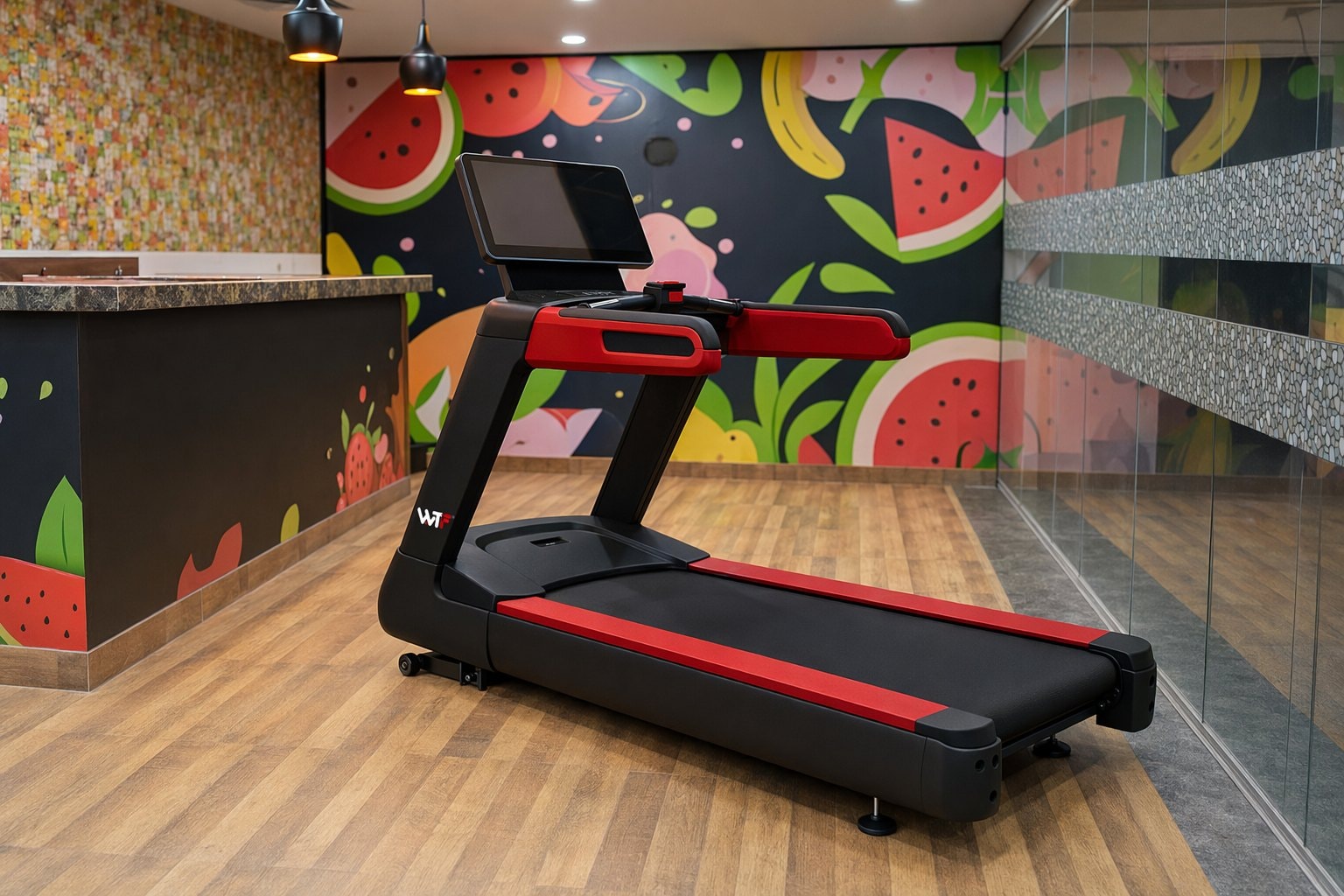
| Treadmill or bike | Indoor only in normal conditions | Electronics and consoles dislike moisture |
For real catalogue references, WTF lists bumper plates made with commercial-grade materials, the Battle Rope, the Crossfit Rig with multiple functional stations, and the Flip Tyre with plate loading ability. These are better starting points for an outdoor training zone than electronic cardio.
The catalogue also lists the Upright Magnetic Exercise Bike 550M, with display features such as time, speed, distance, calories, pulse recovery, body fat and temperature. Because it has a display and electronics, treat the 550M upright bike as an indoor or fully protected-room product, not as open-rain outdoor gym equipment.
Small Outdoor Gym Setup: Terrace, Society or Garage
A small outdoor gym setup should be built around movement lanes, not just equipment count. You need space to swing ropes, load plates, step away from a rig, and move safely around wet or dusty edges. For a terrace, check building permissions and surface protection before thinking about equipment. For an apartment society gym, separate children’s movement paths from training areas.
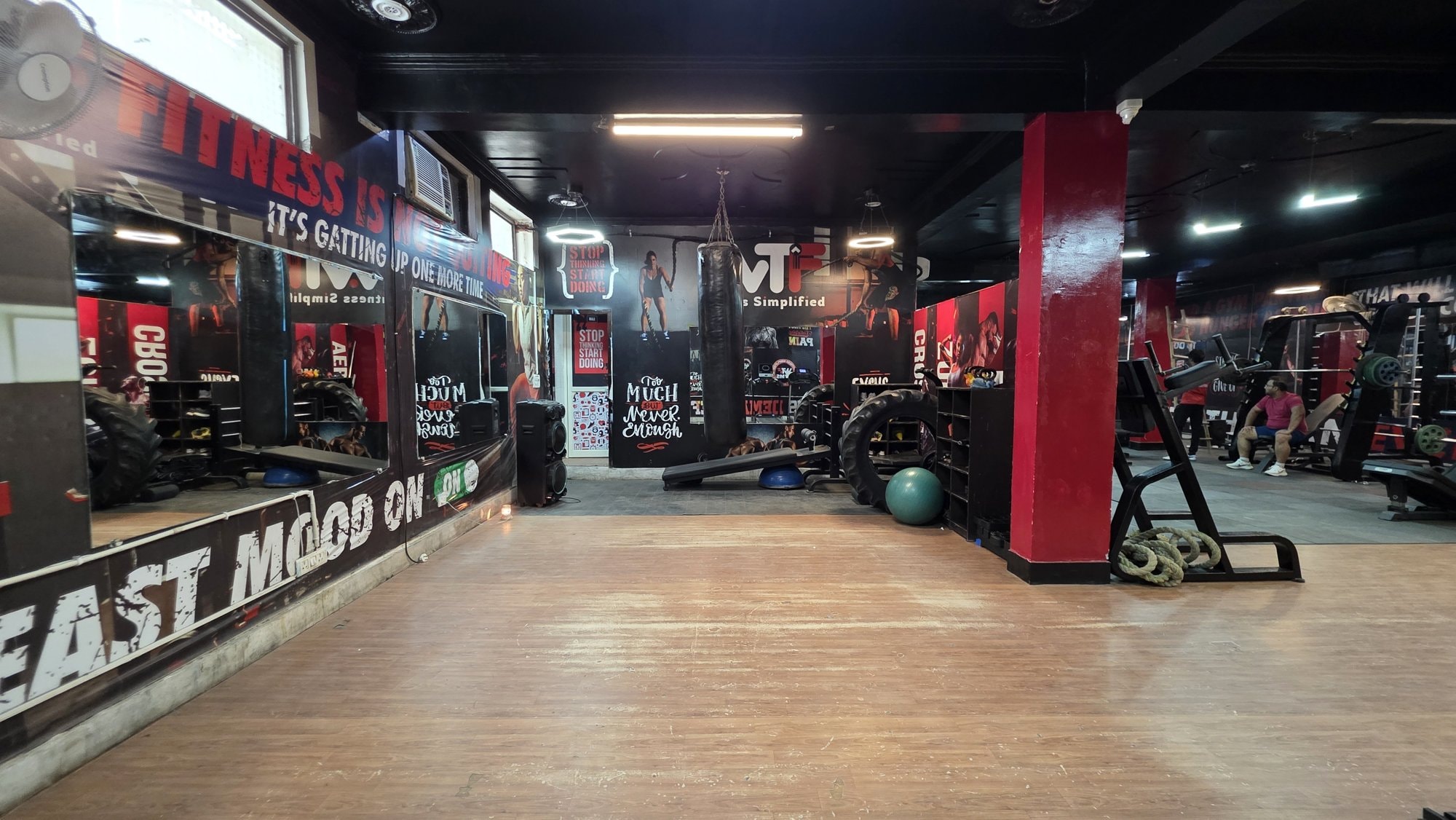
A practical small setup can include impact flooring, a rig or wall-side functional frame, bumper plates, a battle rope lane, kettlebells if stored correctly, and a stretching corner. If the garage shutter stays open, place electronics and upholstered benches deeper inside, away from splash, sun and wind-driven dust. Our garage gym planning guide can help you separate training zones before buying.
For societies, keep the design simple enough for many skill levels. Avoid complicated selector pins, exposed cables and padded strength machines in gardens. A functional zone with basic instructions is often easier to supervise. For broader planning, see the apartment society gym use-case page.
- Place the heaviest equipment where the floor is structurally suitable and water does not collect.
- Keep a dry storage area for plates, ropes, collars and small accessories.
- Use shade where possible; UV and heat are constant stress factors in Indian cities.
- Avoid placing machines directly against boundary walls where rainwater splashes back.
- Keep electrical equipment out of semi-open zones unless the room is properly enclosed.
Flooring, Drainage and Surface Protection
Outdoor gym equipment for Indian weather starts from the floor. If water pools under frames or plates, rust begins where nobody looks. Flooring should reduce impact, give grip when slightly dusty, and allow planned drainage. It should not trap water under tiles or create raised edges that users trip over.
WTF catalogue flooring options include EPDM Square Tiles, which are listed as 20inch x 20inch with black base and colored texture options, and Interlock Tiles, also listed as 20inch x 20inch with plain and textured color choices. The catalogue also includes Hexagonal Tiles in plain colors and multi-color textures on black. For more surface-selection detail, read the rubber gym flooring guide.
On terraces, the flooring plan must protect the waterproofing layer. Do not drill casually into slabs or parapet edges. If a rig or anchor is needed, get the fixing method checked for that site. A battle rope anchor, squat station or punching-bag area creates repeated force; the base must handle it without loosening.
What to Keep Indoors, Even in a Covered Area
Some buyers ask, “Can gym equipment get wet if it is commercial?” It should not. Commercial duty means it is built for heavy training environments; it does not automatically mean rain-ready. Keep treadmills, bikes with consoles, selectorized strength machines, cable stations and upholstered benches inside.
Cables are especially sensitive outdoors. Dust sticks to lubricant, water reaches cable ends, and small pulley alignment issues become safety issues. Upholstery can absorb moisture at seams and around stitching. Selectorized stacks can collect rust around guide rods and pins. Electronics are the least forgiving: moisture inside consoles, keypads and displays is never a normal operating condition.
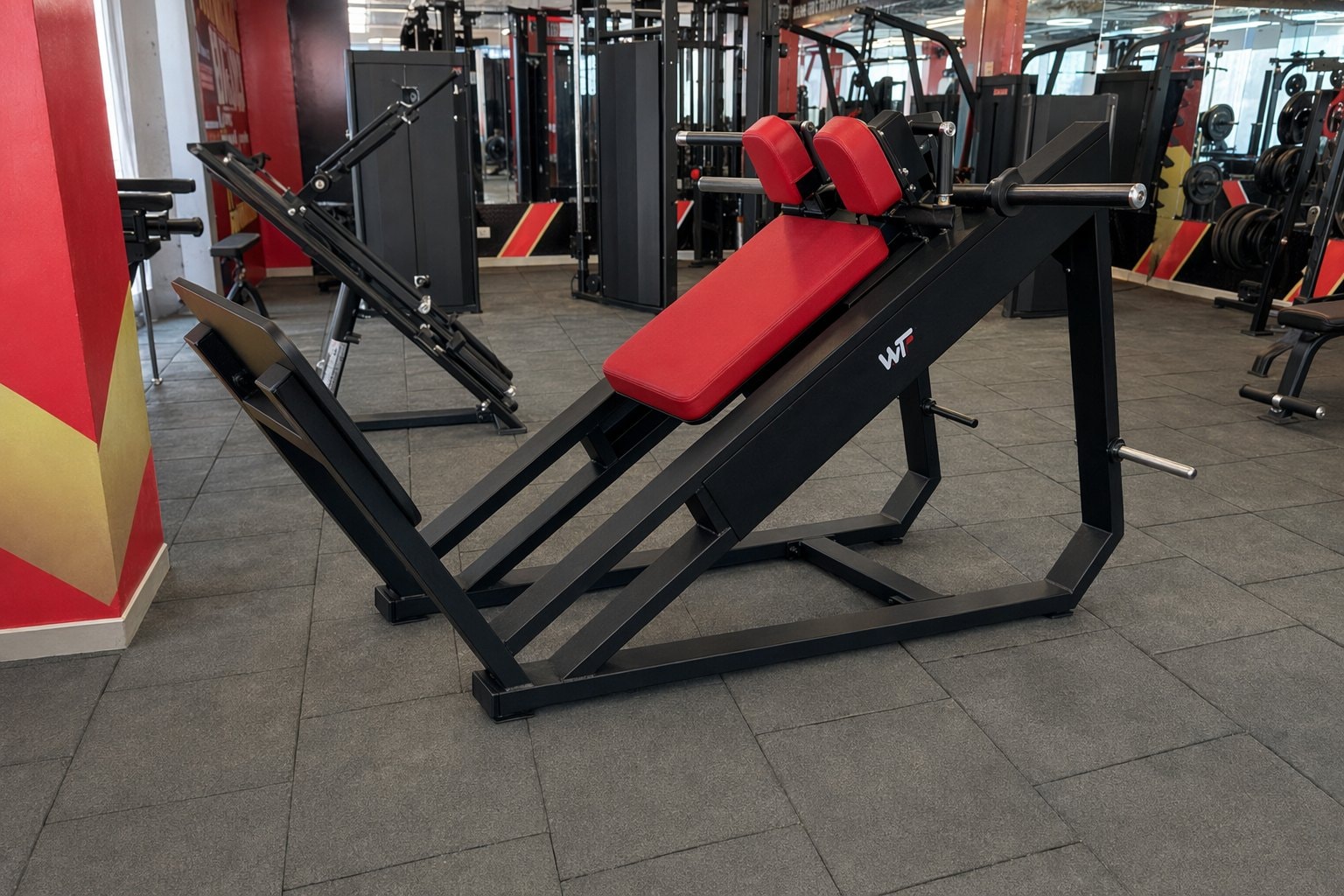
WTF uses duty tiers for buying clarity: Core — full-commercial duty: cardio, selectorized, plate-loaded and functional lines rated for 16hr+/day floors, 7 days a week; 3mm steel main frames; continuous-duty AC motors on cardio (up to 5HP continuous). Pro — performance/club duty for the free-weight zone: dumbbells, plates, bars, benches and racks built for thousands of drops and re-racks a week. Signature — flagship strength pieces, heaviest builds in the range, for the zones that sell memberships on a walk-through.
| Tier | Good use | Outdoor caution |
|---|---|---|
| Core | Commercial cardio, strength and functional zones | Cardio and selectorized machines still need indoor protection |
| Pro | Free-weight zone with plates, bars, benches and racks | Plates and racks need rust control and dry storage |
| Signature | High-visibility strength zones | Heavy build does not remove weather risk |
Outdoor Gym Equipment Maintenance Routine
Outdoor gym equipment maintenance is mostly about not letting small exposure become permanent damage. The routine should be simple enough for staff, society supervisors or home users to actually follow. Focus on wiping, drying, inspecting and separating metal from standing water.
- Daily: wipe handles, frames, plates and high-touch areas after use, especially during humid or rainy weather.
- After rain: remove covers, dry trapped moisture, and check whether water has collected under tiles or frames.
- Weekly: inspect bolts, weld areas, rope anchors, plate storage points and any chipped coating.
- Monthly: clean flooring edges, drains and corners where mud, leaves and dust collect.
- Seasonally: before monsoon and peak summer, review covers, shade, drainage and storage discipline.
Covers help only when used correctly. A cover over a wet machine can trap moisture like a plastic bag. Let equipment dry, then cover it. Use breathable shade where possible and avoid wrapping ropes or straps while damp. For a broader checklist, use the gym equipment maintenance guide.
New, Second Hand, Supplier and Manufacturer Questions
Outdoor gym equipment second hand can look paisa vasool at first, but inspect it more strictly than indoor used equipment. Look for rust at welds, looseness at anchors, cracks in flooring, worn rope ends, damaged coating and missing fasteners. Be extra cautious with used cardio, selectorized stacks and upholstered benches that have spent time in damp or semi-open areas.
If you are comparing an outdoor gym equipment supplier or outdoor gym equipment manufacturer, ask for clear written details: what finish is used, whether the item is meant for outdoor exposure, what installation surface is needed, and what maintenance the buyer must do. Do not rely only on photos; outdoor suitability is about materials, coating, drainage and fixing method.
WTF is a gym operator running 260+ gyms across India and sells commercial equipment through a practical duty-tier system. WTF delivers and installs, provides a full GST invoice, and gives an itemised quote within 24 hours. Buyers can also visit the showroom at D-27, Sector 112, Noida, UP 201305 to see machines in person.
For a functional outdoor zone, the functional training category is usually the right place to start. If your real question is about starting a gym business, franchise format or operating model, that belongs on the sister franchise resource; this guide stays focused on equipment selection and placement.
Beginner Use: Keep It Simple and Safe
Beginners should use outdoor gym equipment with clear movement choices: carries, rope waves, bodyweight rows, squats, step-ups and light plate handling before intense circuits. Avoid complex movements on wet floors or under harsh sun. Hydration, grip and footing matter more outdoors than in an air-conditioned room.
- Start with low-skill drills: rope waves, farmer carries, goblet squats and assisted bodyweight movements.
- Keep the training lane dry and clear before battle rope or tyre work.
- Do not lift bumper plates from wet ground with a rounded back; set up dry storage.
- Use equipment well below your strength limit until the floor, grip and movement feel controlled.
- For weight-rated equipment, keep headroom between the user’s body weight and the stated maximum; do not choose a machine rated exactly at the user’s weight.
The right outdoor setup is not the one with the most machines. It is the one that can handle Indian weather, be cleaned easily, drain properly, and guide users toward repeatable, safe exercise.