There is no shortage of “start a gym” content online. Almost none of it is written by people who have actually opened gyms and lived with the P&L afterwards. This guide is — we run 260+ WTF gyms across India, so every step below is one we have taken ourselves, with the costs and the mistakes attached. It is guidance, not legal or financial advice: confirm anything regulatory with a local professional before you act on it.
The honest sequence
A gym succeeds or fails long before the equipment arrives. In rough order:
- 1. Pick the location. This is the single biggest decision — footfall, parking, visibility and catchment income decide your ceiling more than any machine does. A great gym in a weak location loses to an average gym in a strong one.
- 2. Define the concept and price. Budget, mid-market or premium? Your positioning sets your fee, which sets how many members you need, which sets your floor size and equipment tier.
- 3. Size the space and floor plan. Carpet area drives everything downstream — equipment count, member ceiling and rent. See the equipment list by zone for how space maps to machines.
- 4. Sort licensing and registrations (below).
- 5. Fit out the shell — flooring, mirrors, HVAC, changing rooms, branding. Budget this separately from equipment.
- 6. Equip the floor with commercial-rated machines from an accountable supplier.
- 7. Hire, market and pre-sell before you open, so day one has members, not an empty floor.
What it costs
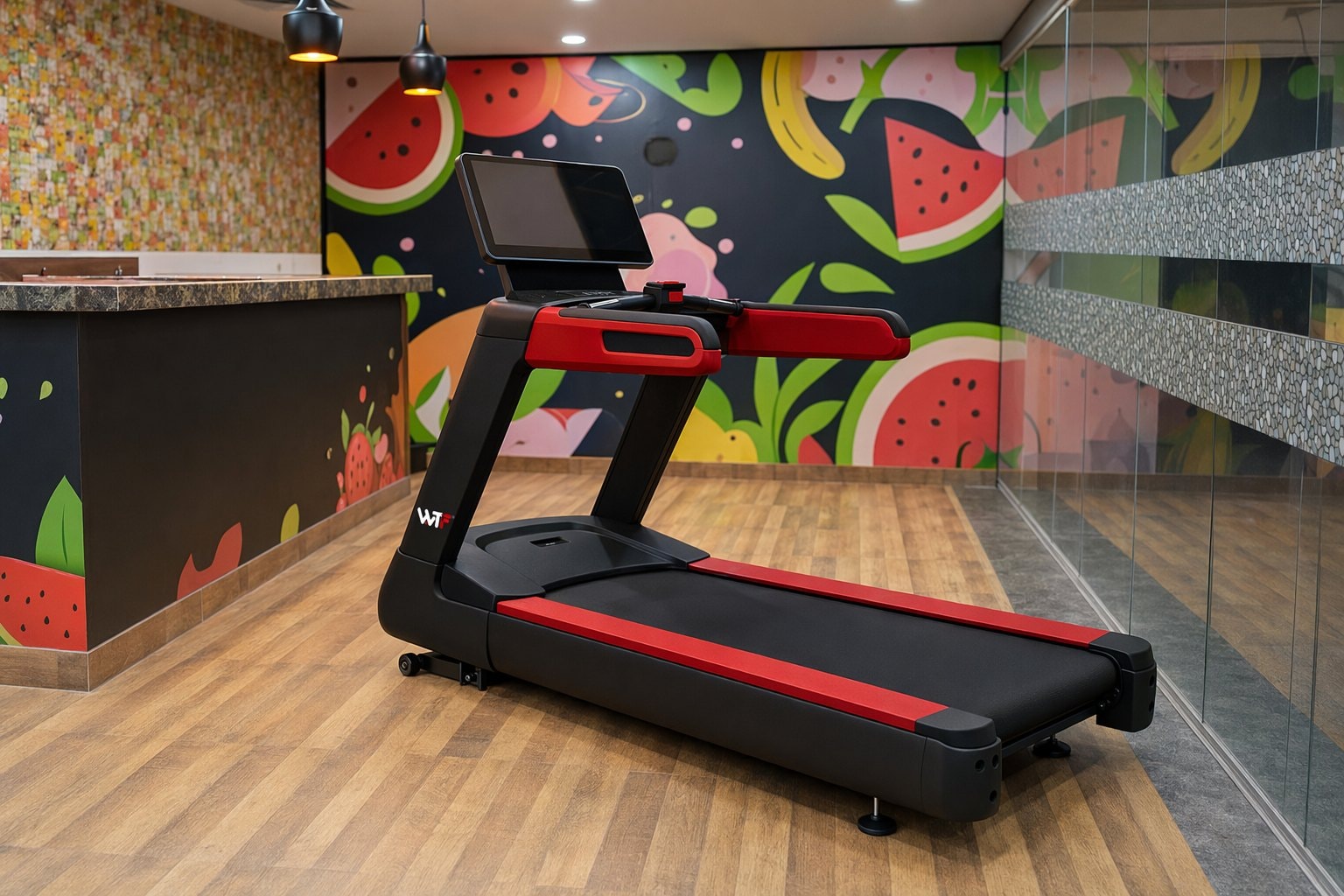
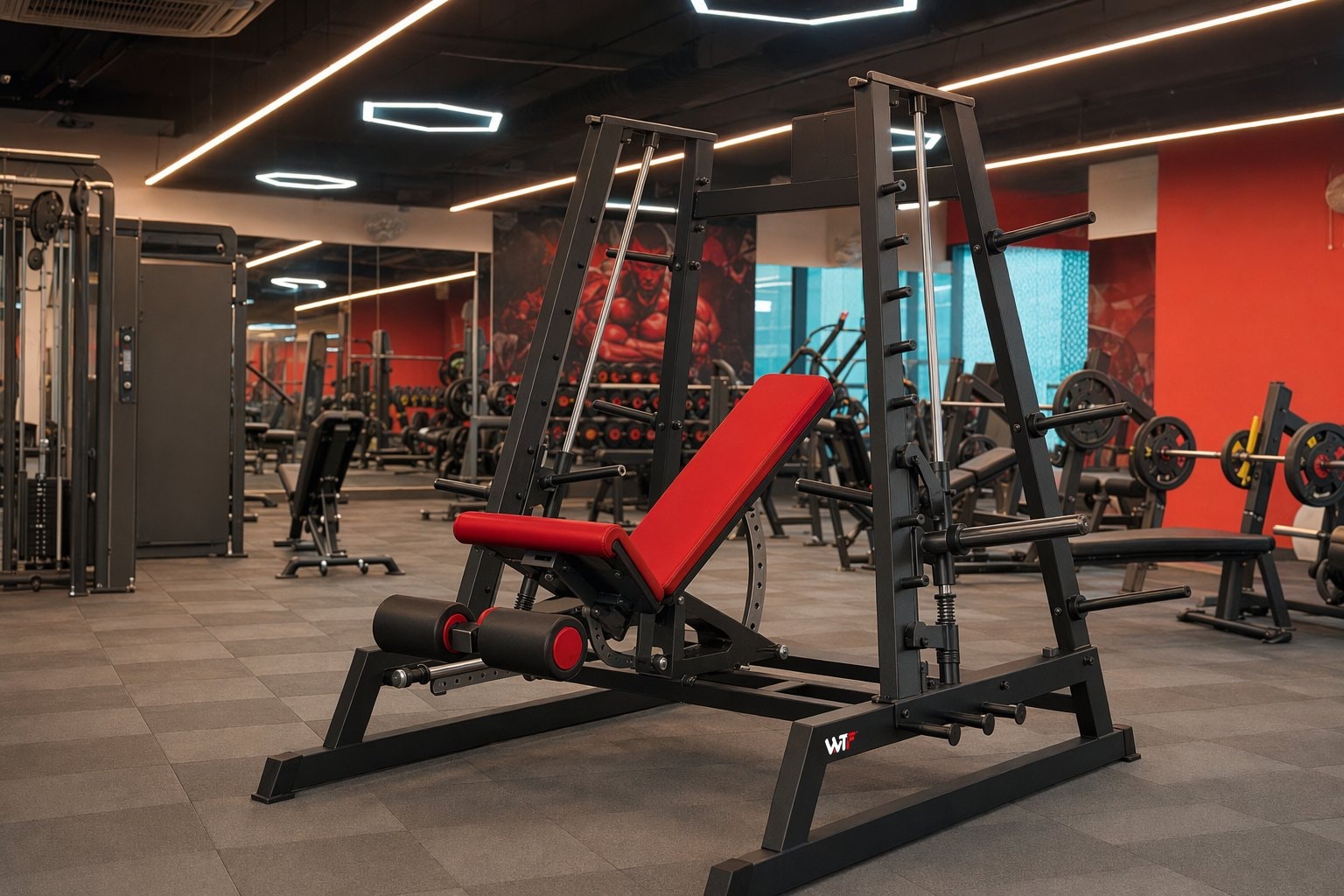
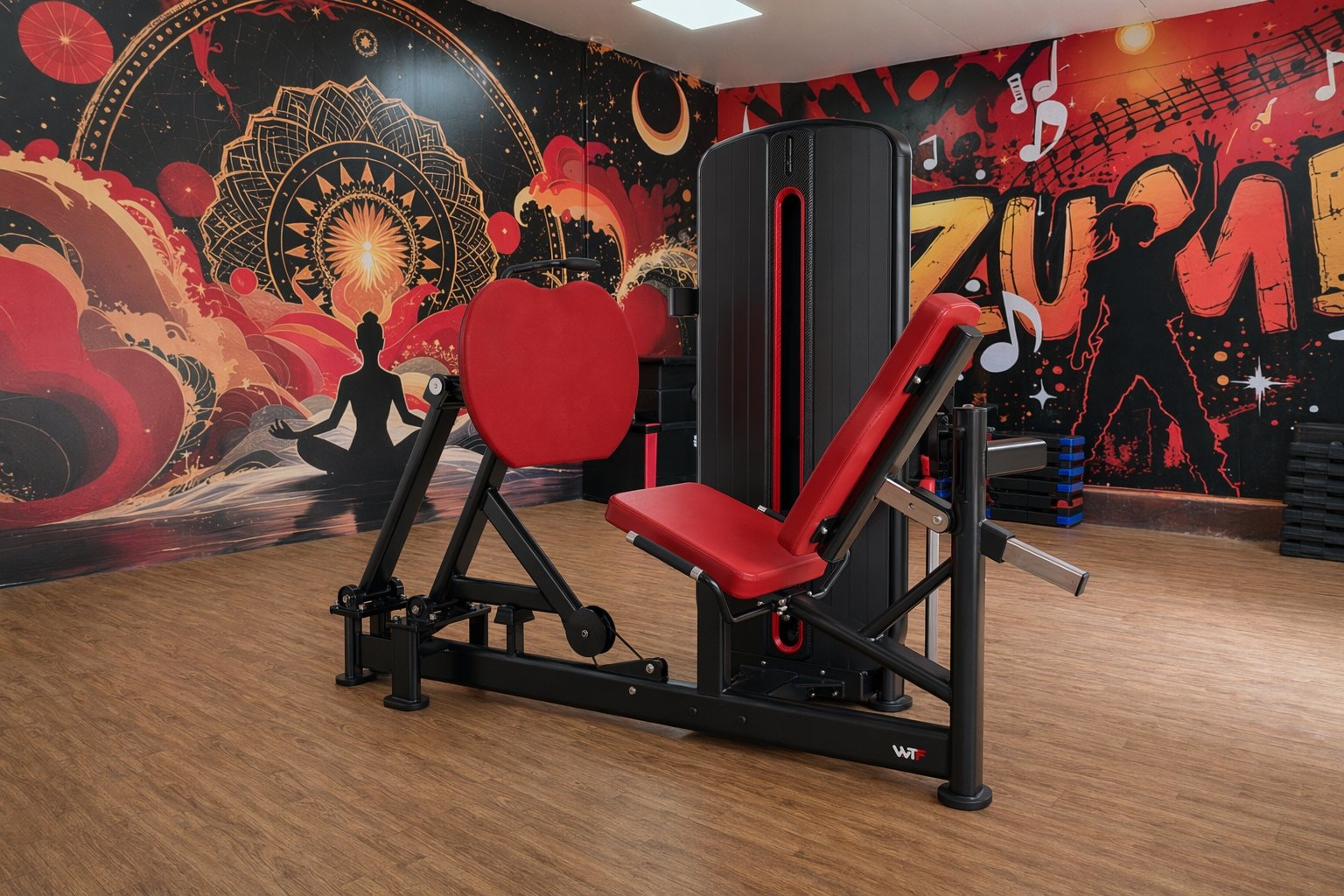
Costs split into three buckets: equipment, fit-out, and working capital. Equipment is the one you can price precisely today, because we publish it. Our five gym packages range from a complete first-gym floor to a flagship:
- ₹15 lakh — a complete Launch floor for 1,200–1,500 sq ft, your first gym.
- ₹20 lakh — a Startup floor for 2,000–3,000 sq ft, a growth gym.
- ₹40 lakh — a Flagship floor for 6,000+ sq ft, a statement club.
On top of equipment, budget roughly another 40–80% of the equipment figure for fit-out (flooring, mirrors, HVAC, interiors, branding), plus the security deposit, first few months of rent, staff salaries and working capital. In most Indian cities a realistic all-in first-gym figure lands between ₹25 lakh and ₹60 lakh, depending on size, city and how premium the shell is. The full itemized breakdown is in our gym setup cost guide.
Licensing basics
Requirements vary by state and municipality, so treat this as an orientation and confirm the exact list with a local consultant. Most gyms in India need to:
- Register the business entity (proprietorship, LLP or company)
- Obtain a local trade / shop-and-establishment licence from the municipal body
- Register for GST
- Meet fire-safety norms and any local health or gym-specific requirements
- Sort a music licence if you play music, plus staff-employment registrations
None of this is exotic, but it takes time — start it early and in parallel with the fit-out, not after. A local professional will save you more than their fee here.
Is a gym profitable in India?
It can be — the fitness market in India is growing — but profitability is decided by unit economics, not enthusiasm. Run the math bottom-up and conservatively:
- Add your monthly fixed costs — rent, salaries, power.
- Divide by your average monthly fee per member to get your break-even member count.
- Compare that to your realistic member ceiling for the floor size. A 2,500 sq ft floor comfortably serves 350–450 active members.
As an illustration only: a ₹20 lakh equipment package financed at roughly ₹71,000/month is just the equipment line. Add rent and staff, and a typical 2,500 sq ft gym might need ₹2–2.5 lakh/month to break even — which at a ₹1,000 average fee is roughly 200–250 active members. Your real number depends entirely on your rent and pricing, so build the model with your own figures.
Well-run gyms in our own network typically see equipment payback in 18–24 months. Faster claims usually assume a full house from month one; slower usually points to the location or retention, rarely the equipment — provided it was commercial-rated and did not fail early.
Where new owners lose money
Three patterns recur across the gyms we have watched open and close: choosing a cheap location to save rent (which caps revenue forever), buying non-commercial equipment to save capital (which dies before payback — see commercial vs semi-commercial), and neglecting retention (a gym that only sells and never keeps members runs on a treadmill of its own). Get location and duty rating right, and the business has room to forgive other mistakes.
Independent or franchise?
Both work; they trade control for support. An independent gym keeps all the upside and every decision but builds brand, systems and supplier relationships from scratch. A franchise gives you a known brand, playbooks and buying power in exchange for fees and less flexibility. Either way the equipment decision is identical: buy commercial-rated machines from someone accountable after installation, because downtime and early failure hurt an independent and a franchisee equally.
Your next step
The fastest way to turn a plan into real numbers is to cost the floor. Browse the gym packages, read the setup cost breakdown, and understand the duty ladder before you compare quotes. Then send us your carpet area and budget — the team that opened 260+ gyms replies with an itemized proposal and straight answers within 24 hours.