“Commercial” and “semi-commercial” are the two words that decide whether your equipment survives to payback or dies in month eighteen — and they are the two words sellers are loosest with. Here is what they actually mean, how the differences show up in build and load, and the honest test for which one your floor needs. Written by a team that has run both across 260+ gyms and paid for the mistakes.
What a duty rating really measures
A duty rating is not a size label or a marketing tier — it is an engineering statement about how many hours a day and how much member load a machine is built to survive. Everything else follows from that one number: the steel gauge in the frame, the motor spec on cardio, and the quality of the cables and bearings a manufacturer is willing to put behind it.
- Home / domestic duty — a few hours a day, one or two users. Lightest frames, thinnest steel. Never appropriate for a paid floor.
- Semi-commercial duty — intermittent use by a modest number of people: an office gym, apartment clubhouse, hotel or capped-size studio. Lighter frames and motors than full-commercial, lower price.
- Full-commercial duty — continuous member load, 16+ hours a day, seven days a week. Heaviest frames, continuous-duty motors, the longest service life. What a public gym runs.
Where the differences actually bite
Two machines can look identical in a photo and feel similar in a five-minute showroom test. The gap is invisible until the floor is busy — and then it is the only thing that matters:
| What differs | Semi-commercial | Full-commercial |
|---|---|---|
| Rated daily use | A few hours, intermittent | 16hr+, continuous |
| Frame steel | Lighter gauge | Heavier gauge (e.g. 3mm mains) |
| Cardio motor | Lighter-duty motor | Continuous-duty AC motor |
| Cables & bearings | Commodity grade | Sealed commercial grade |
| Typical lifespan | 2–4 years on a busy floor | 7+ years under member load |
| Best fit | Low-traffic private gyms | Public commercial gyms |
The lifespan row is the whole argument. Semi-commercial gear on a public floor rarely reaches the end of its financing before something structural fails — and the cheapest-looking purchase becomes the most expensive “saving” in the industry.
The spec-sheet tell
You do not need to be an engineer to read duty class — you can read the spec sheet instead. A real full-commercial machine is described in numbers: continuous-duty motor rating in HP, frame steel in millimetres, rated user weight in kilograms, rated hours per day. A semi-commercial machine marketed as commercial is described in adjectives — “heavy duty”, “robust”, “premium build” — or quotespeak motor HP, which is the number a motor hits briefly before it overheats, not the one it holds all day. Where the numbers stop and the adjectives start is where the real duty class ends. Read the spec sheet before you read the price.
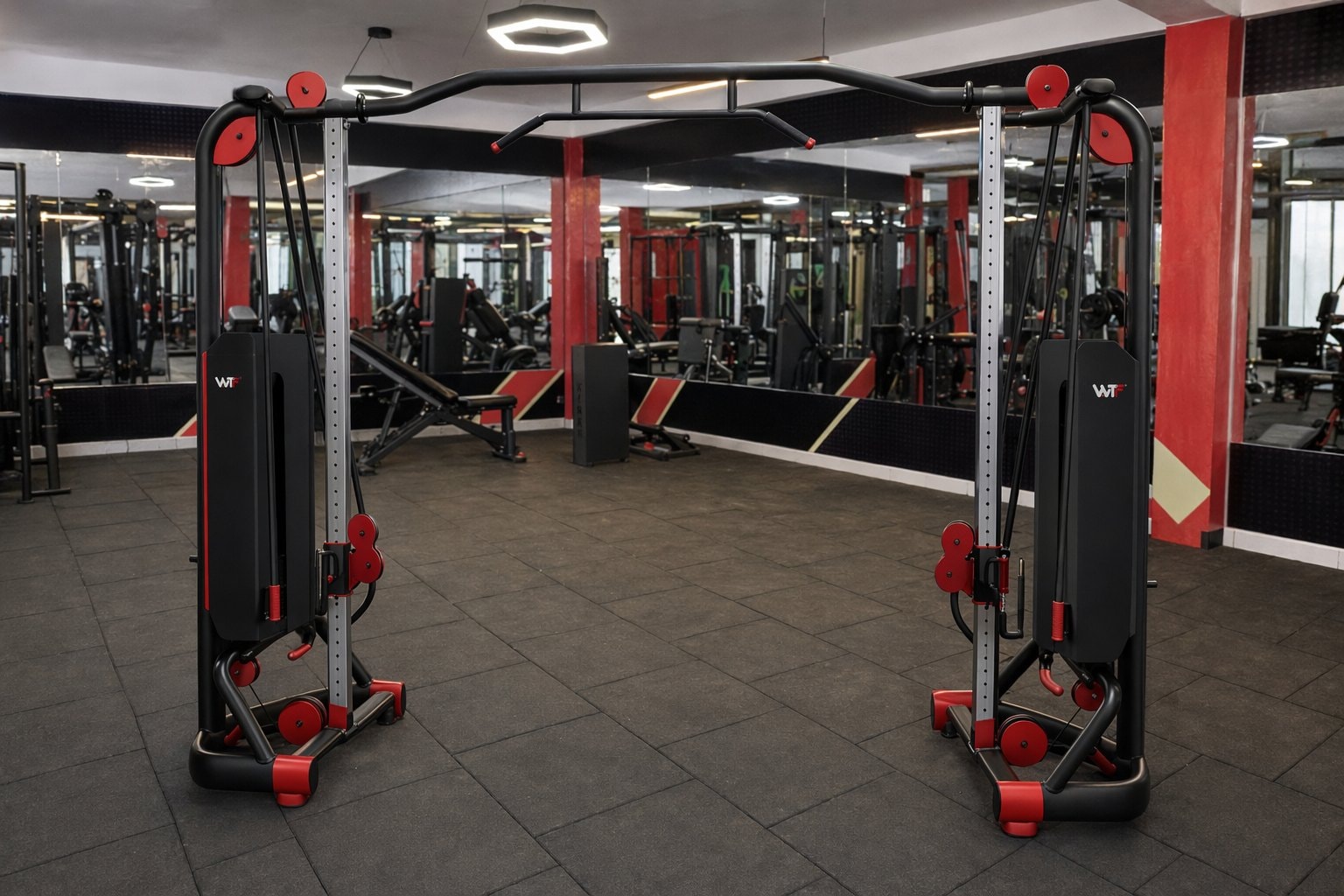
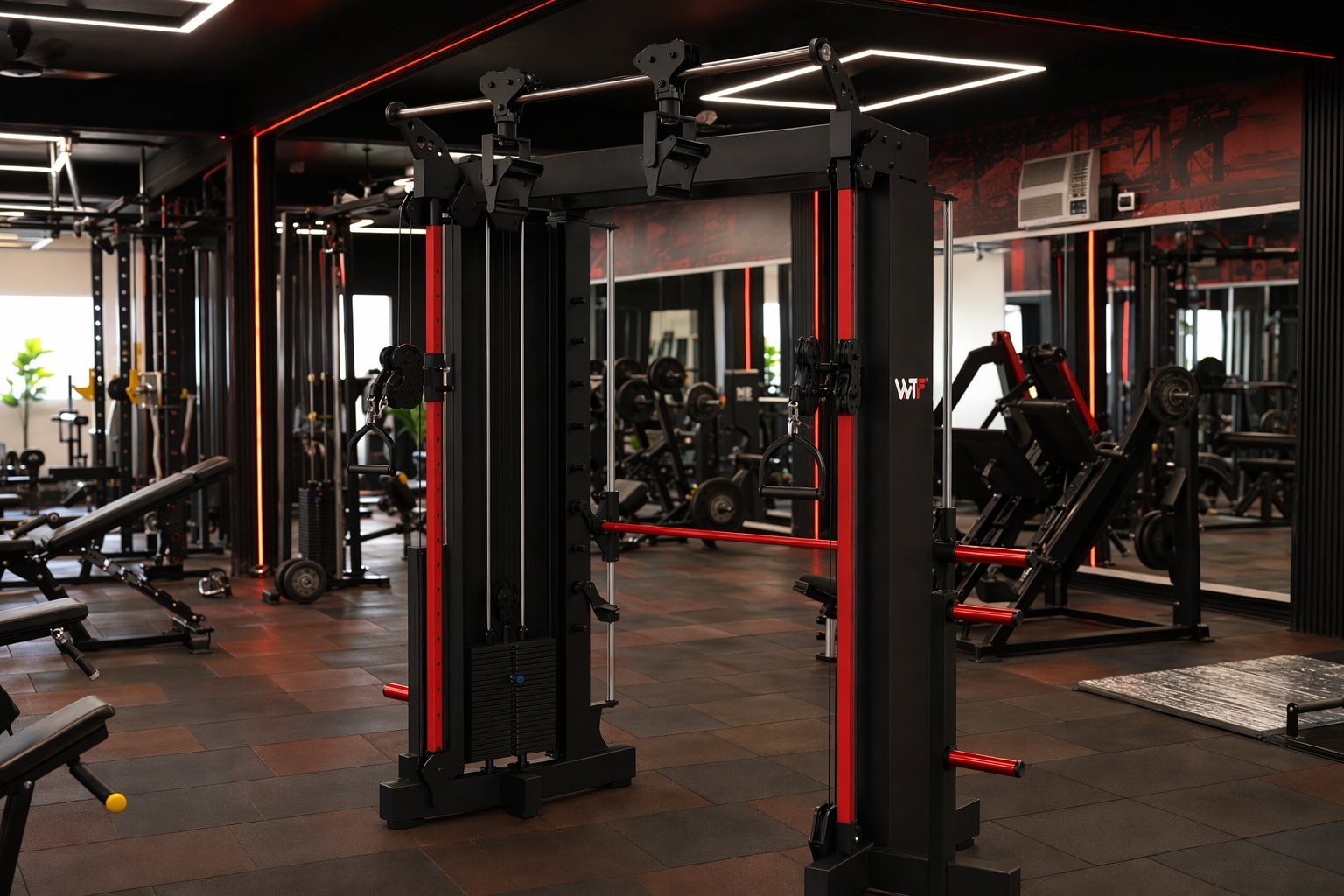
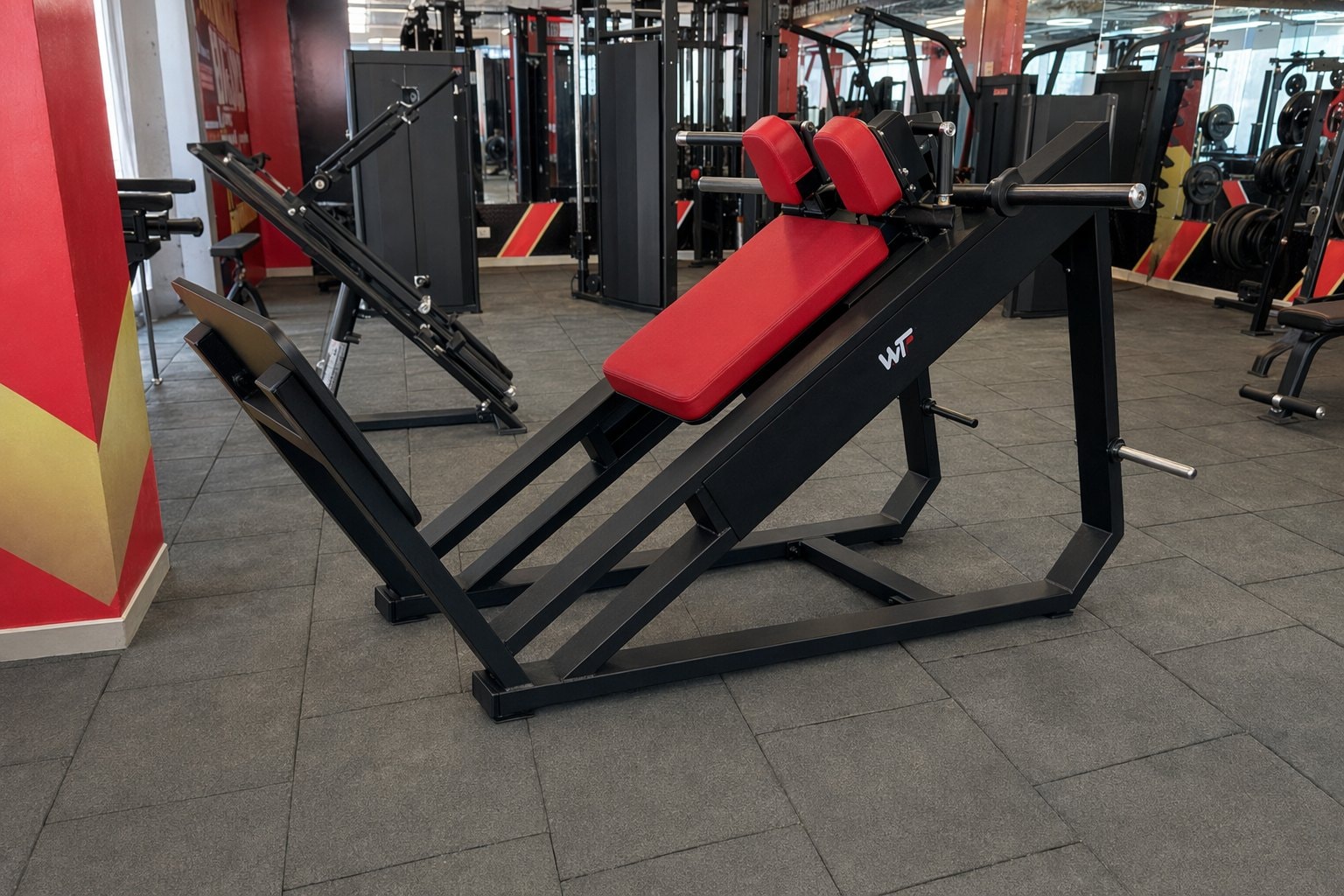
How WTF rates duty: Core, Pro, Signature
Instead of a wall of series names with identical copy behind each, every WTF machine carries one of three honest duty badges — each earned on the 260+ gym floors we run ourselves:
- Core (C) — full-commercial duty. Cardio and selectorized/plate-loaded strength rated for 16hr+ floors on 3mm steel frames.
- Pro (P) — performance/club duty for the free-weight zone: benches, racks, dumbbells and bars built for thousands of drops and re-racks a week.
- Signature (S) — flagship strength pieces for the heaviest daily loading, where serious lifters queue for the same station all day.
The full ladder — rated duty and build spec for each tier — is on the duty ratings page. It exists precisely so you never have to take “commercial” on trust: every rating comes with numbers you can hold us to.
When semi-commercial is genuinely the right call
This is not an argument that semi-commercial is always wrong — that would be a sales position, not the truth. Semi-commercial equipment is a sensible, cost-effective fit when the load is genuinely light and access is controlled:
- A corporate or office gym used in short bursts by a fixed headcount
- An apartment or society clubhouse with modest, resident-only traffic
- A hotel fitness room with a handful of guests at a time
- A boutique studio where class sizes are capped and machines are not queued all day
The mistake is buying down for a public gym to hit a number. A studio open long hours to paying members puts full-commercial load on every machine regardless of its square footage — so anything that carries load should be full-commercial, even in a small room.
The decision, in one line
Match the rating to the load, not the room size. Public gym, long hours, paying members: full-commercial (Core) on everything load-bearing, Pro on the free-weight zone, Signature on flagship strength if you compete on a walk-through. Genuinely low-traffic, controlled access: semi-commercial can save cost without costing you the payback window.
Still weighing it? Read manufactured vs imported gym equipment and the full equipment list by zone. Or tell us your floor size, hours and expected footfall — the team that specced 260+ gyms will map you to the right tier and quote it within 24 hours.