Free weights vs machines is not an either-or decision for most serious buyers. A strong setup uses free weights for movement variety and progression, and machines for guided paths, easier learning and safer solo training. For Indian gym owners and home buyers, the right mix depends on who trains, how much supervision is available, space, budget and the level of duty you need.
The Short Answer: You Usually Need Both
If you are comparing gym machines vs weights, start with the user, not the equipment. Free weights ask the lifter to control the path, balance the load and stabilise the body. Machines guide the path and reduce the number of things a beginner has to manage at once. Both can build muscle when the load, effort and progression are planned properly.
For a home buyer, the home gym machine vs dumbbells decision often comes down to space and training style. Dumbbells and bars are flexible, easy to expand and useful for many movement patterns. A machine gives a fixed station for a specific pattern, which can feel simpler when training alone. For a commercial gym, members expect both: visible free-weight equipment and approachable selectorized strength machines.
How Free Weights and Machines Feel Different
The main difference is stability. With dumbbells, barbells and plates, the lifter controls the load path. That is why dumbbells vs machines feels more demanding even when the exercise targets the same muscle group. A dumbbell chest press asks the shoulder, elbow, wrist and trunk to stay coordinated. A chest press machine reduces that freedom and gives a more predictable pressing pattern.
Machines are useful when the buyer wants clear stations: press here, pull here, adjust the seat, select the load and train. This is why machines suit beginners, seniors and members who are not confident with bar paths. Free weights suit lifters who want many exercise options from fewer pieces: presses, rows, squats, hinges, carries and accessory work.
Learning curve is the second difference. A beginner can usually understand a selectorized chest press faster than a barbell bench press. But that does not mean machines replace skill. Seat position, range of motion, posture and load selection still matter. Free weights need more coaching at the start, but they also teach body control over time.
| Goal | Better starting point | Why |
|---|---|---|
| First month of lifting | Machines plus light dumbbells | Simpler setup with some balance practice |
| Muscle gain | Both | Progressive loading works through either route |
| Training alone | Machines for heavy sets | Guided movement can reduce setup complexity |
| Small home gym | Dumbbells first | More exercises from less floor space |
| Commercial strength floor | Balanced mix | Different members prefer different entry points |
| Technique-focused barbell work | Free weights | Lifter controls the full movement path |
Beginners, Seniors and Solo Training
For free weights vs machines for beginners, machines usually make the first few sessions less confusing. A selectorized machine limits the path, keeps the load change simple and gives the user a clear start position. WTF lists selectorized models such as the Chest Press AMDM-01, which has a 100 kg weight stack and a listed dimension of 1390*1300*1530mm, and the Lat Pull Down AMDM-12, which has a 100 kg weight stack and a listed dimension of 1340*1365*2290mm.
Free weights still belong in a beginner plan. Light dumbbell presses, goblet squats, rows and loaded carries teach control without needing a complicated setup. The key is load discipline: beginners should choose a load they can control, not a load they can merely move. For seniors, the same principle applies. A stable machine may be a sensible entry point, while carefully selected dumbbell work can support coordination and confidence.
When training alone, machines reduce some setup decisions. You are not unracking a bar, finding spotters or managing loose plates for every set. But machines are not automatic safety devices. The user still needs correct seat settings, controlled tempo and enough headroom between their ability and the selected load. For any machine with a user-weight rating, do not choose equipment rated exactly at the user’s body weight; keep headroom.
Home Gym Machine vs Free Weights
For a home gym machine vs free weights decision, think in zones. A dumbbell zone can support presses, rows, lunges, curls, lateral raises and many core drills. A machine zone gives a narrower but more guided station. If you have limited room, dumbbells and an adjustable bench usually give more exercise variety before you add a larger strength machine.
Cost also behaves differently. From the WTF price guide, dumbbells are listed at ₹295–₹369 per kg MRP. That means the total depends on how much load range you build. Chest press machines are listed at ₹1,35,500–₹2,00,500 MRP, while multi gym machines are listed at ₹1,18,000–₹6,05,000 MRP. Treat these as list-price bands, not per-product prices.
If your query is home gym machine vs dumbbells, choose dumbbells first when you want maximum movement variety and can learn technique. Choose a machine first when one or two guided patterns matter more than variety. For example, Adjustable Dumbbells are listed with commercial-grade materials and made in India, while a multi-station unit suits buyers who want several fixed exercise stations in one equipment plan.
Commercial Gym Mix: What Belongs on the Floor
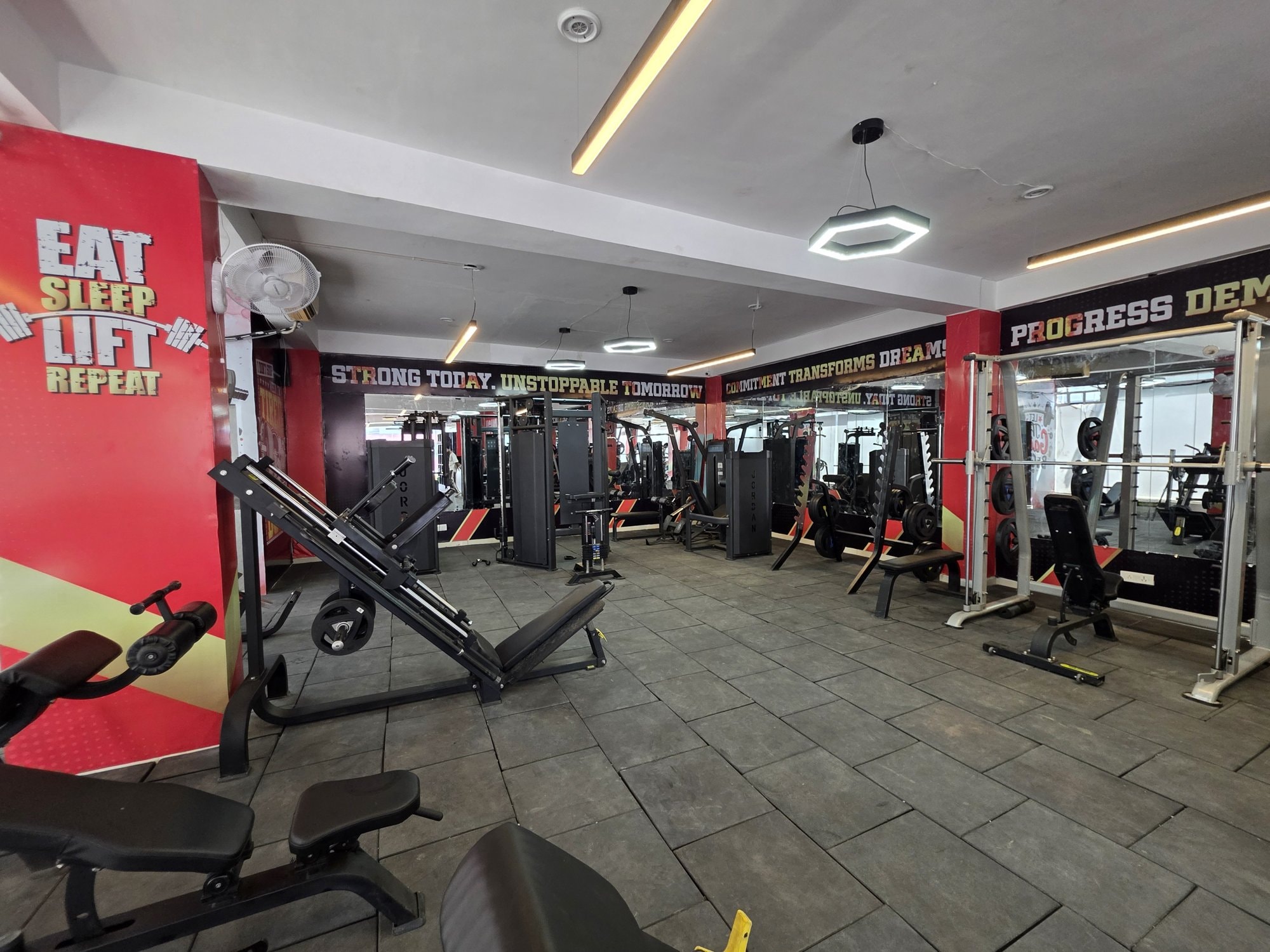
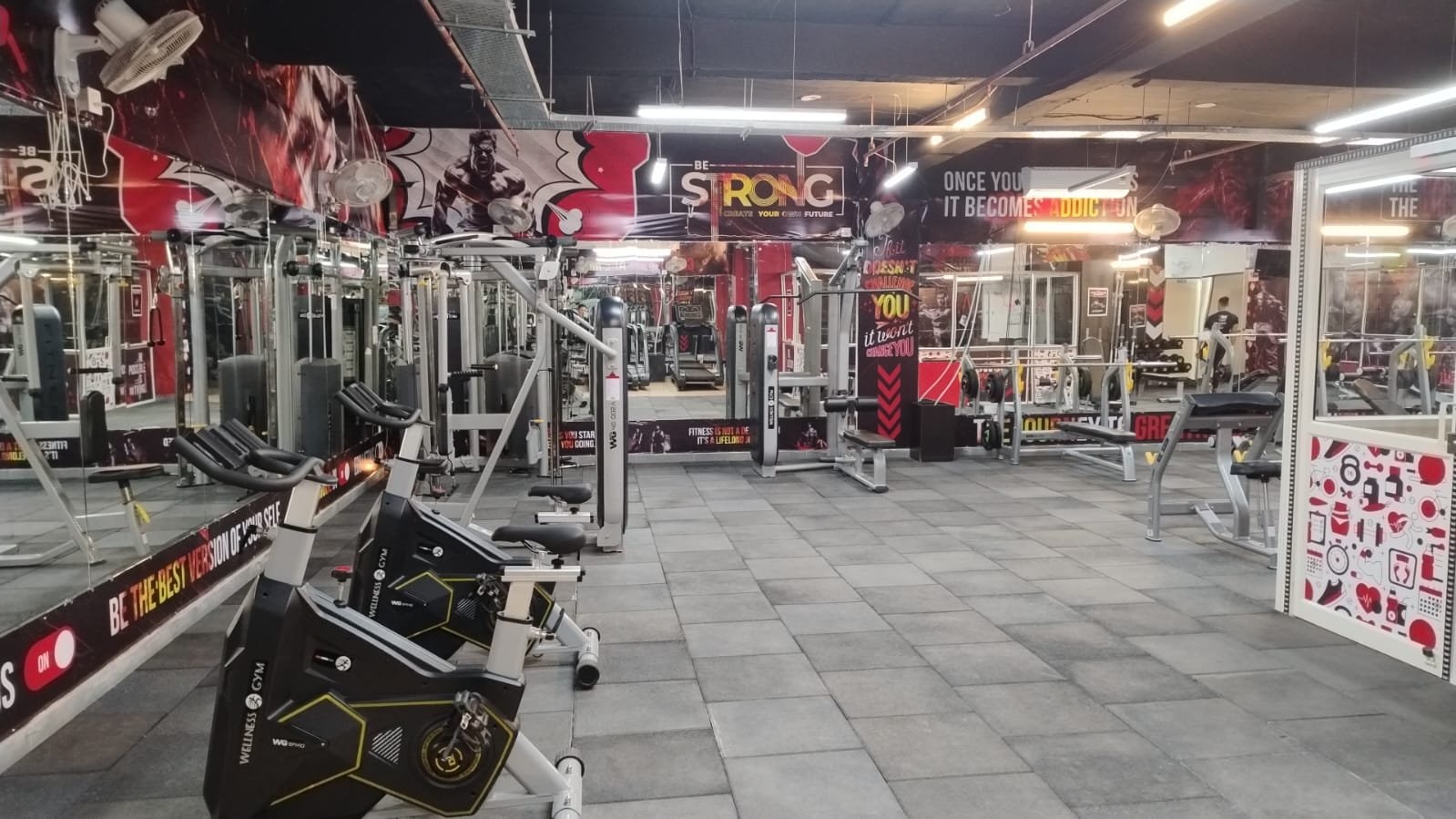
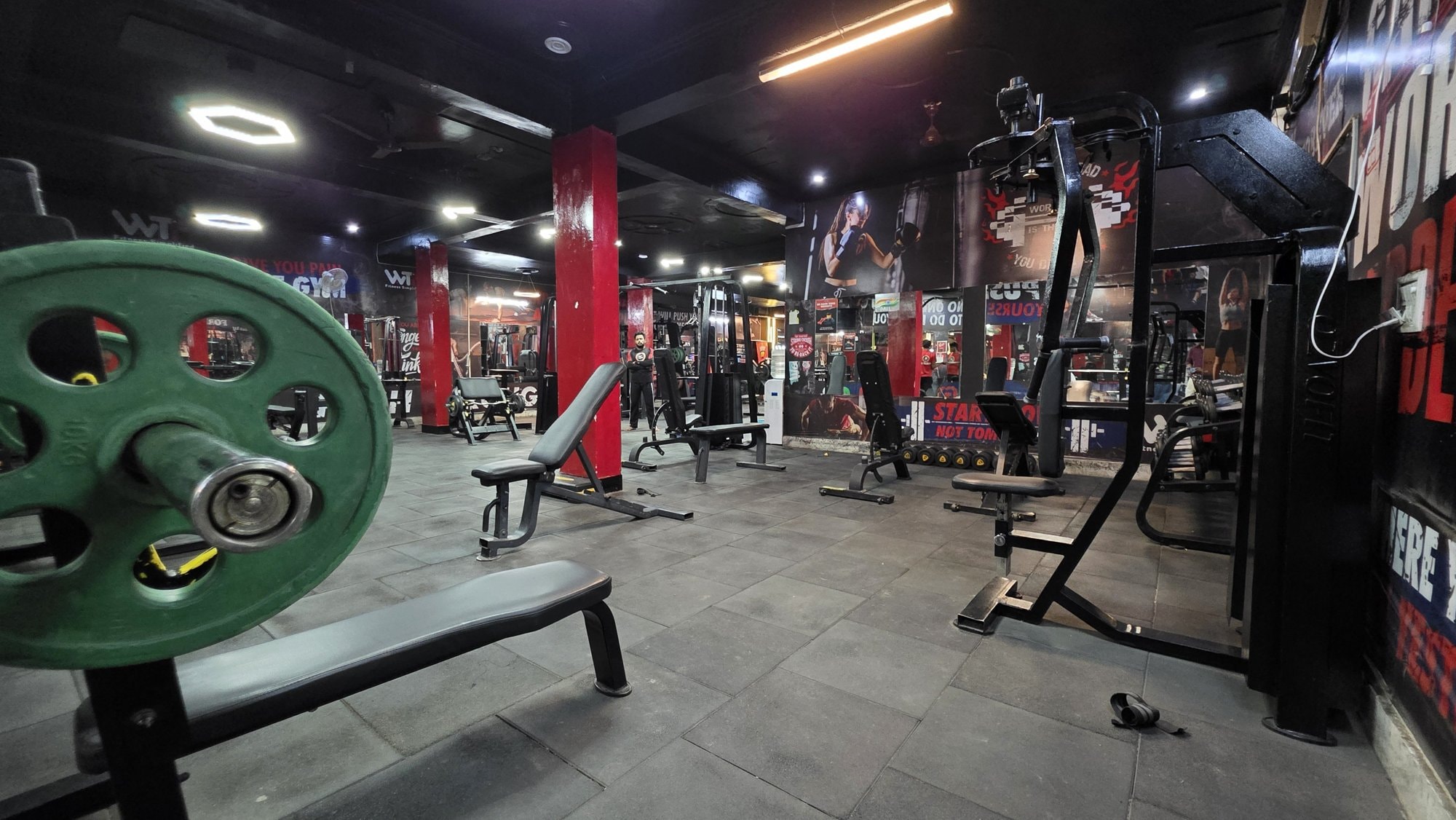
For commercial gyms, the question is rarely gym machines or weights. The better question is how much of each your members can use confidently. A machine-led layout helps new members start without waiting for coaching on every lift. A visible free-weight zone signals serious training and keeps advanced lifters engaged. The mix should change by audience: beginner-heavy clubs need more approachable machines; strength-focused clubs need a deeper bar, dumbbell, rack and plate-loaded setup.
WTF runs 260+ gyms, and its buying advice uses a duty-tier system rather than only product appearance. The tiers are: Core — full-commercial duty: cardio, selectorized, plate-loaded and functional lines rated for 16hr+/day floors, 7 days a week; 3mm steel main frames; continuous-duty AC motors on cardio (up to 5HP continuous). Pro — performance/club duty for the free-weight zone: dumbbells, plates, bars, benches and racks built for thousands of drops and re-racks a week. Signature — flagship strength pieces, heaviest builds in the range, for the zones that sell memberships on a walk-through.
A practical commercial layout usually includes selectorized basics, a free-weight zone and selected plate-loaded highlights. Use the plate-loaded versus selectorized guide when deciding where guided stacks or plate-loaded arms make more sense.
- Put beginner-friendly selectorized machines near clear circulation routes, not hidden behind advanced stations.
- Keep dumbbells, benches and bars close enough to support supersets, but not so tight that spotting becomes difficult.
- Use plate-loaded presses and leg machines as strength anchors where experienced lifters expect heavier loading options.
- Plan storage from day one, because loose handles and plates make even good equipment feel unmanaged.
Specific Comparisons Buyers Ask About
Smith Machine vs Free Weight
A Smith machine uses a guided bar path, while a free-weight barbell lets the lifter control the path. WTF lists free-weight bars such as the 20kg Olympic Bar with brass bush, specified with 20kg weight, 30mm shaft diameter and 7ft size, and the 28mm Barbell, specified in straight lengths of 3ft, 4ft, 5ft, 6ft and 7ft. For a guided bar path, WTF also lists Smith options such as the Smith Machine U2063.
Chest Press Machine or Dumbbells
Choose a chest press machine when the user needs a repeatable pressing path and simple load changes. Choose dumbbells when shoulder control, unilateral work and exercise variety matter. WTF lists the selectorized Chest Press AMDM-01 and plate-loaded options such as the Iso Lateral Chest Press AMV01, which is specified with a black frame plus red arms and made in India.
Preacher Curl Machine vs Free Weight
For preacher curl machine vs free weight buying, compare adjustability, arm position comfort, handle feel and how naturally different users fit the pad. A machine can simplify the curl setup, while dumbbells give more curl variations. WTF lists free-weight preacher benches (see the preacher curl bench guide) and selectorized curl stations such as the Biceps Curl AMDM-06, listed with a 100 kg weight stack.
Leg Press and Multi-Station Choices
Machines become especially useful where setup complexity is high. WTF lists the selectorized Leg Press AMDM-015, specified with 1985*1035*1530mm dimension and 100 kg weight stack. Multi-station choices such as the 4 Station Gym can suit facilities that want several guided stations in one equipment plan.
How to Decide Before You Buy
- List who will train: beginners, seniors, serious lifters, personal-training clients or family members at home.
- Decide which movement patterns must be covered: push, pull, squat, hinge, lunge, curl, press and core work.
- Mark your space realistically, including walking routes, loading space and where dumbbells or plates will be stored.
- Choose duty level before finish and colour, especially for commercial environments with repeated daily use.
- Shortlist equipment, then ask for an itemised quote so you can compare stations clearly.
WTF delivers and installs, provides a full GST invoice, and can provide an itemised quote within 24 hours. Buyers who want to see equipment in person can visit the showroom at D-27, Sector 112, Noida, UP 201305.
So, gym machines or dumbbells? For most buyers, start with the pieces that remove the biggest constraint. If the constraint is learning and solo confidence, machines help. If the constraint is space and variety, free weights help. If the goal is a complete commercial floor, combine both and let each category do the job it is naturally good at.