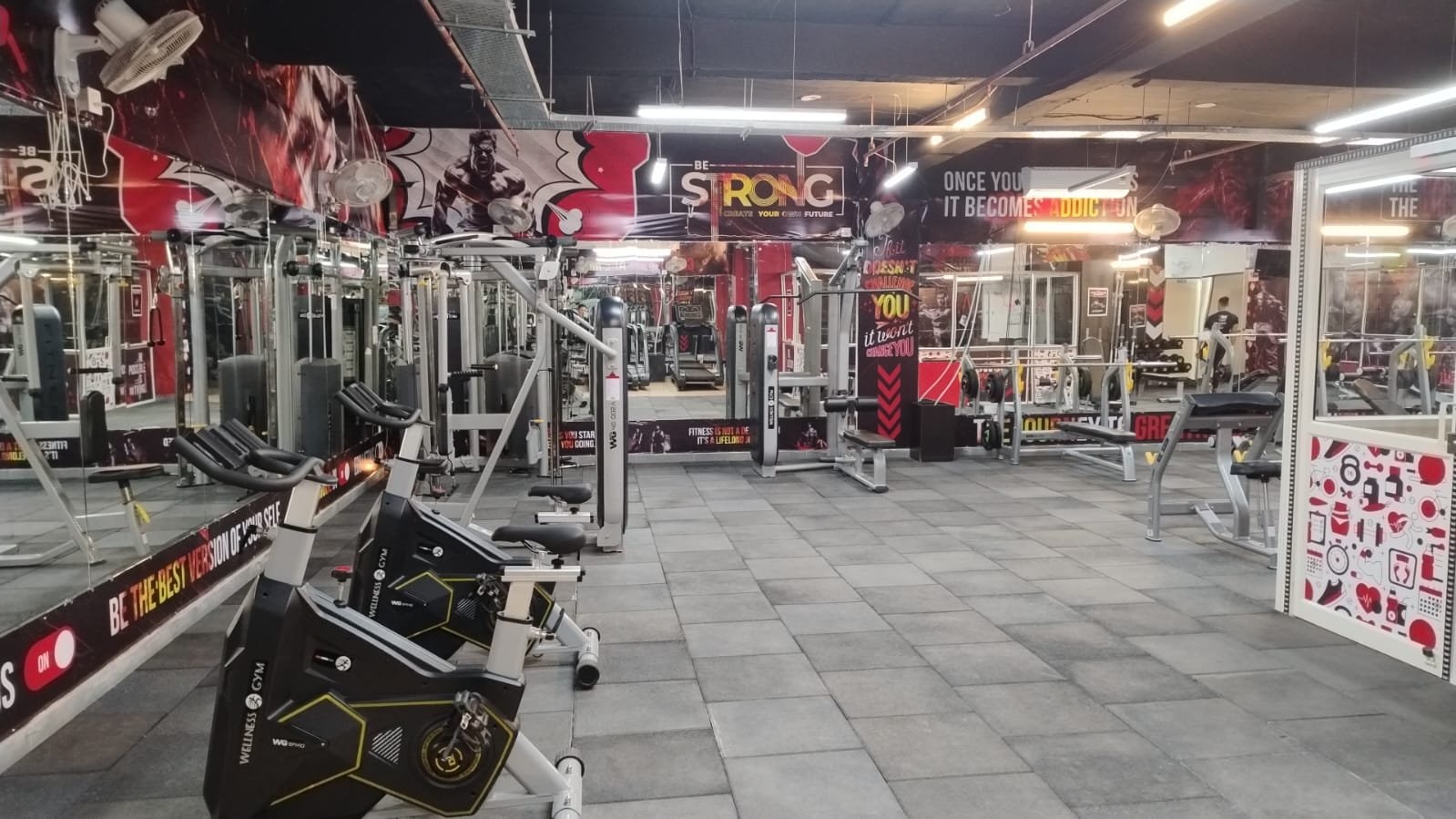
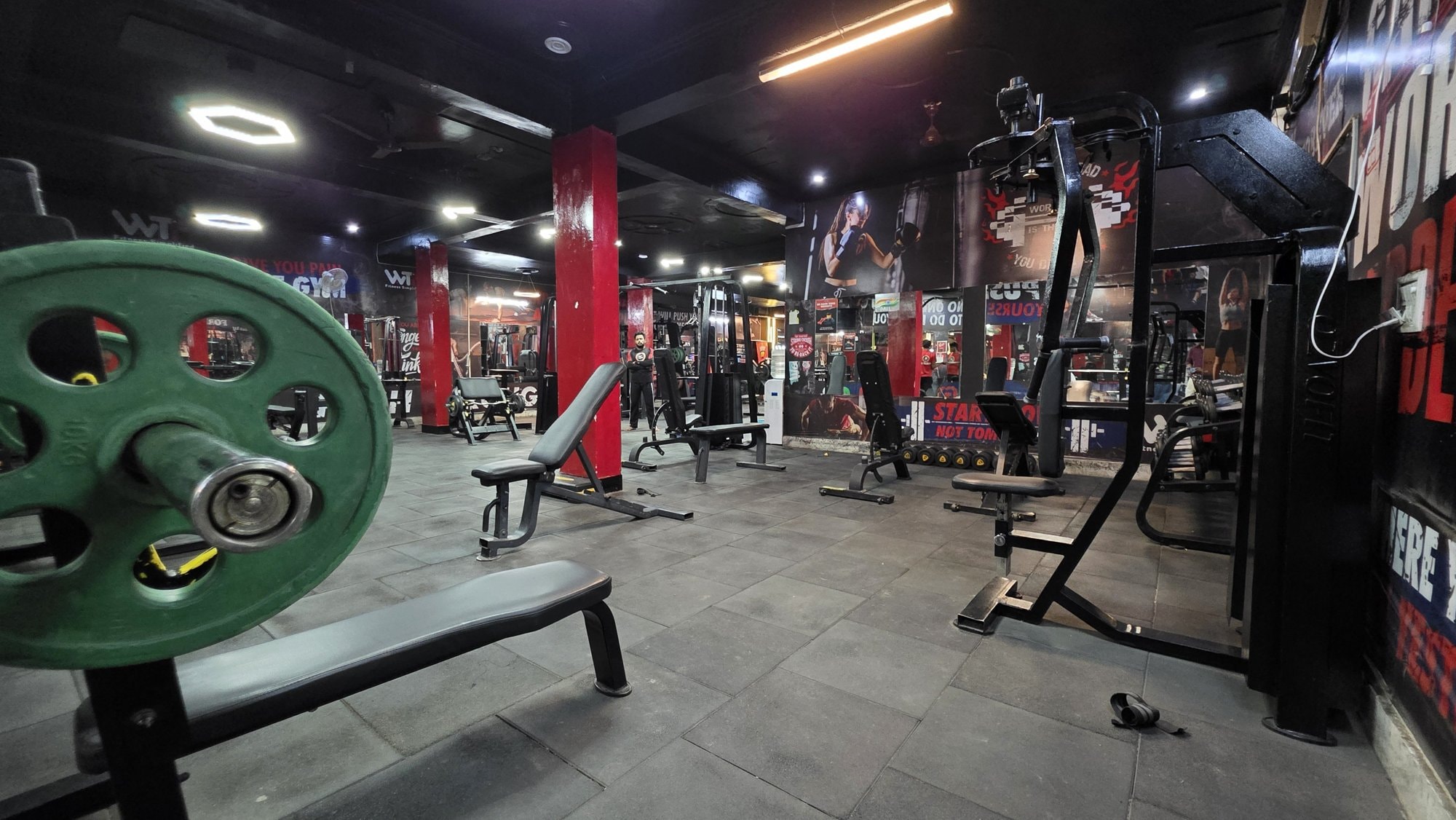
Gym equipment names are easier to understand when you group them by training zone: cardio, selectorized strength, plate-loaded strength, free weights, racks, benches and functional training. This guide gives you a gym equipment names list with WTF range examples, so you can identify machines from pictures, floor layouts or supplier quotes without confusion. For quantities and zone planning, see the commercial gym equipment checklist.
How to Use This Gym Equipment Names List
If you are comparing a quotation, planning a home gym, or checking machine names from a floor plan, start with the movement pattern. A treadmill, spin bike and rower all sit in cardio, but they look and load the body very differently. A chest press may be selectorized with a weight stack or plate-loaded with horns for loose plates.
For buying quantities, zone planning and room allocation, use WTF’s separate commercial gym equipment checklist by zone or the one-page gym equipment list. This page is a glossary: what the equipment is called, what it trains, and how to recognise it. Seedhi baat: the name matters because one wrong machine name can change the quote, footprint and training use.
| Zone | Common names | How to recognise it |
|---|---|---|
| Cardio | Treadmill, elliptical, spin bike, rowing machine | Console, moving belt, pedals, flywheel or pull handle |
| Selectorized | Chest press, lat pull down, leg extension | Weight stack, pin selection, guided arms or pulleys |
| Plate-loaded | Iso lateral press, leg press, shoulder press | Plate horns, large arms, no weight stack |
| Free weights | Barbell, dumbbell, plates | Loose weights held by the user |
| Benches and racks | Power rack, Smith rack, adjustable bench | Uprights, safeties, hooks, lifting station |
| Functional | Cable stations, sleds, rigs, ropes | Open movement, attachments, multi-direction training |
Picture Grid: Real WTF Equipment
Use this visual glossary section to match common names with what you are likely to notice first. The captions are not full specifications; they are quick labels to help you connect equipment photos to names when reviewing a layout, WTF catalogue page or buyer quote.
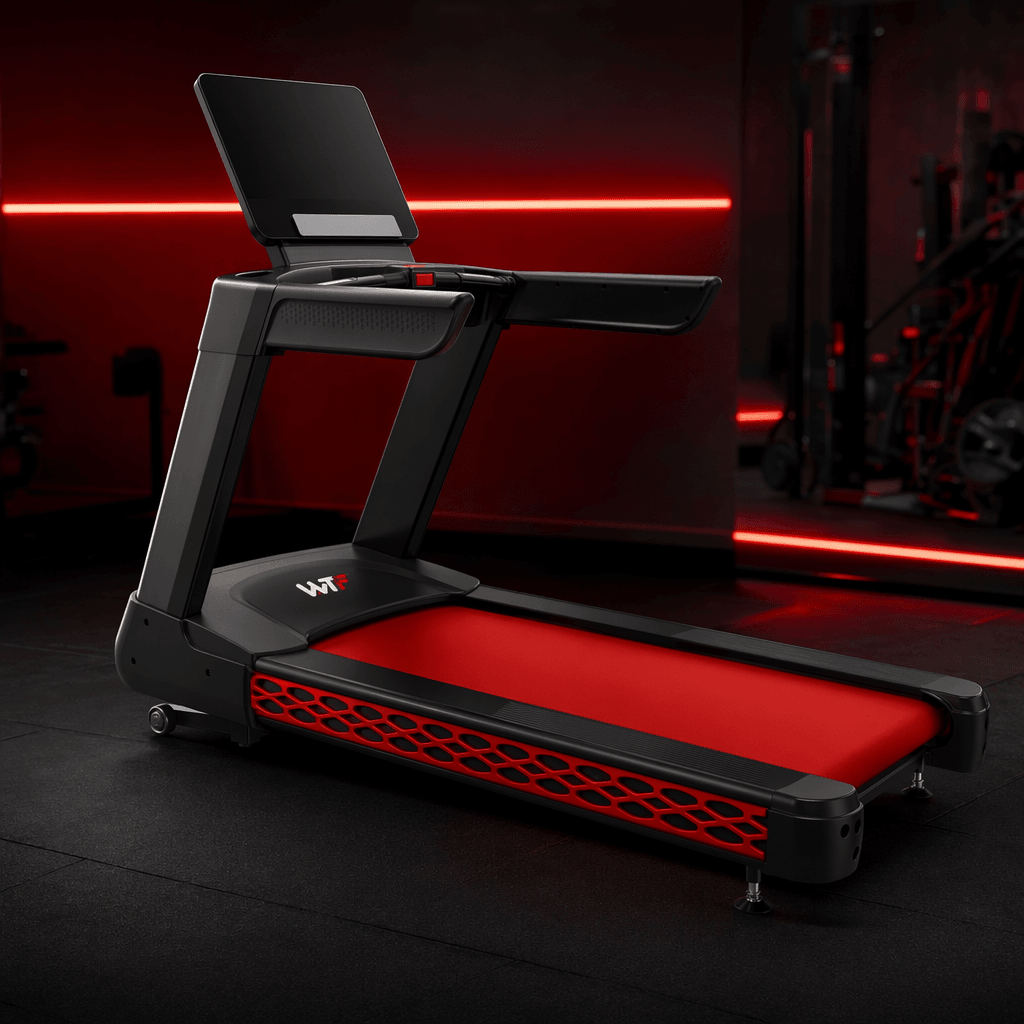 Commercial Motorized TreadmillCore · C-RatedMotorized treadmill — walking, running and incline work
 Commercial Elliptical Cross TrainerCore · C-RatedElliptical cross trainer — low-impact full-body cardio
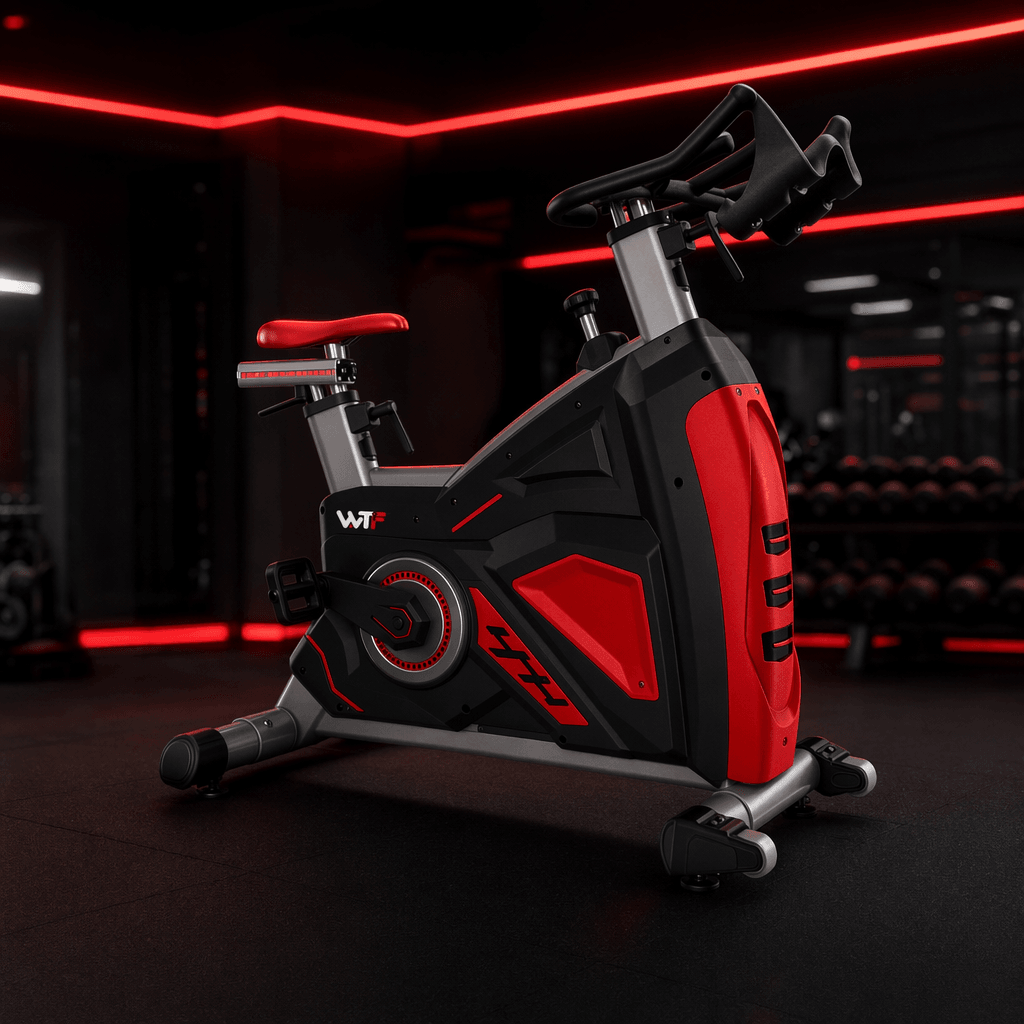 Commercial Spin BikeCore · C-RatedSpin bike — indoor cycling and interval sessions
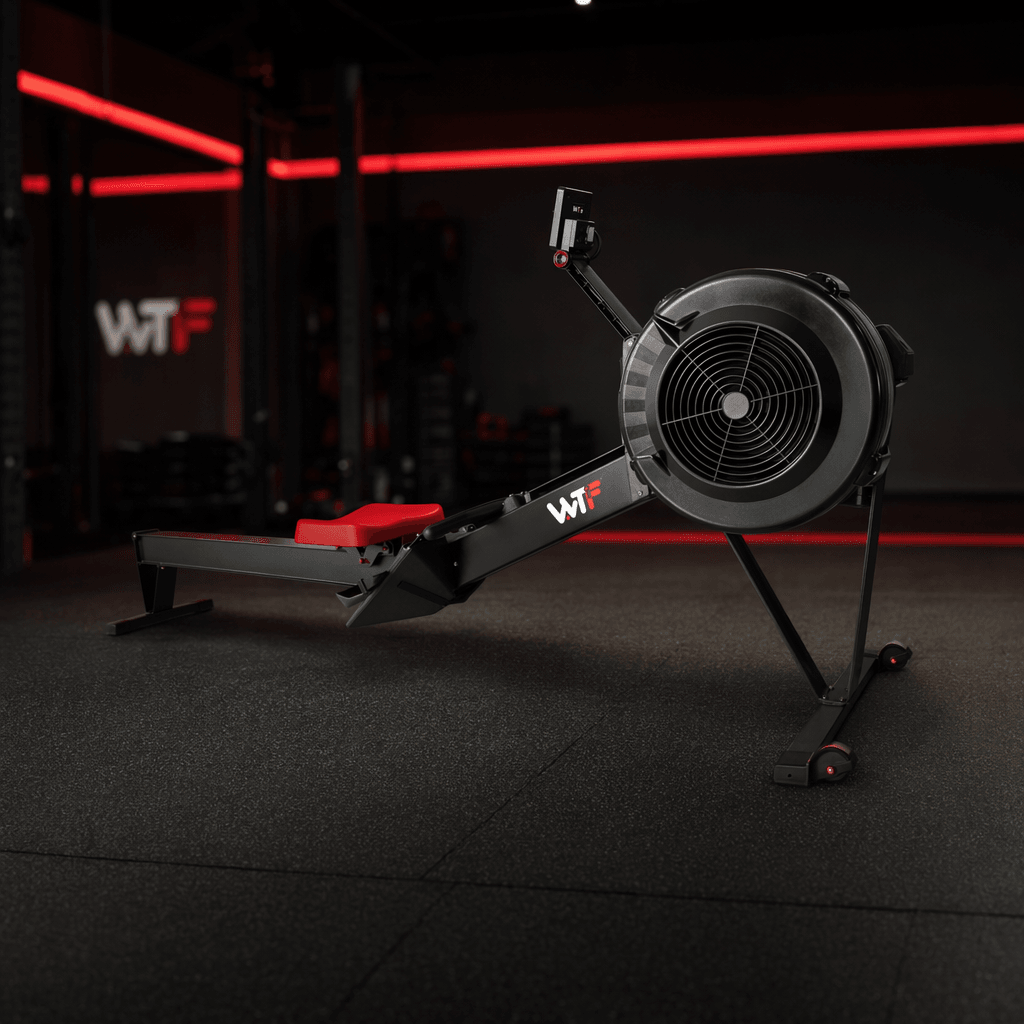 Air Rowing MachineCore · C-RatedAir rowing machine — legs, back and arms in one stroke
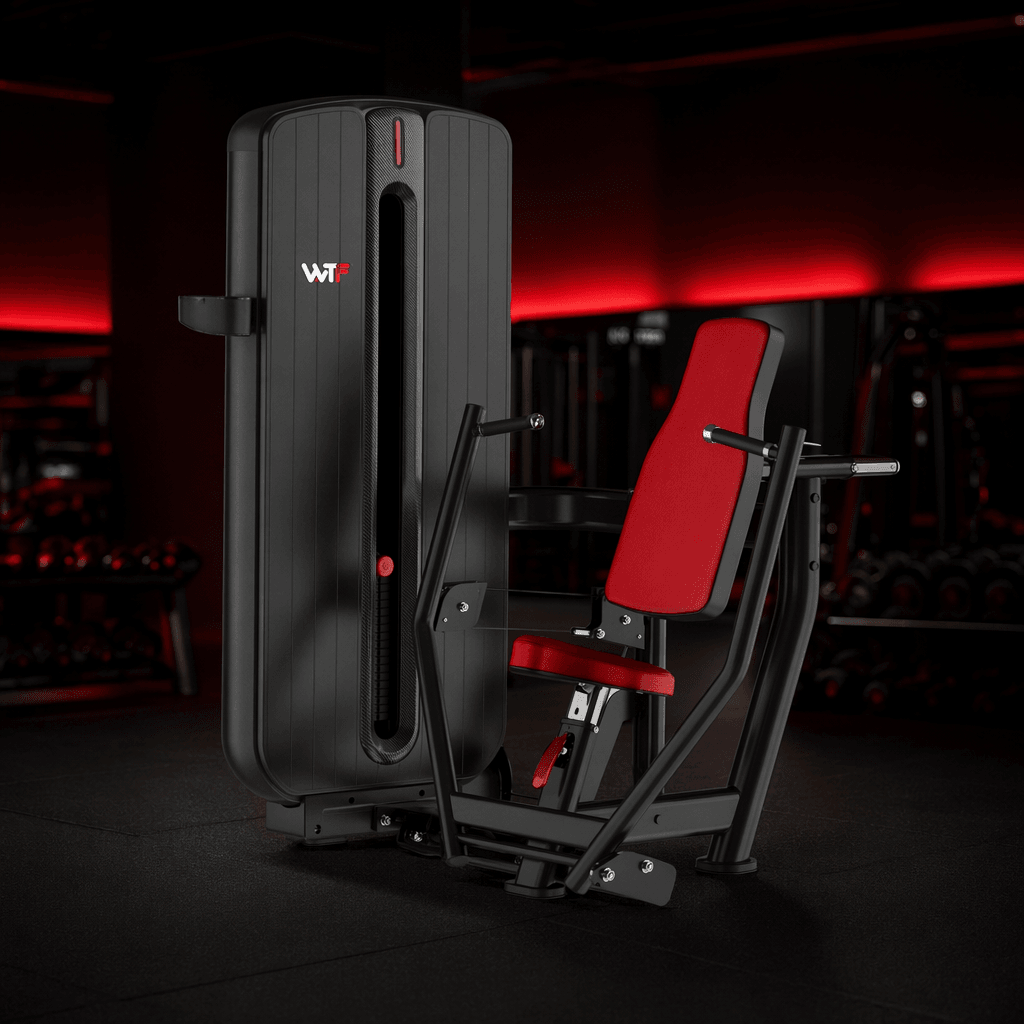 Chest PressCore · C-RatedChest press — seated pressing for chest and triceps
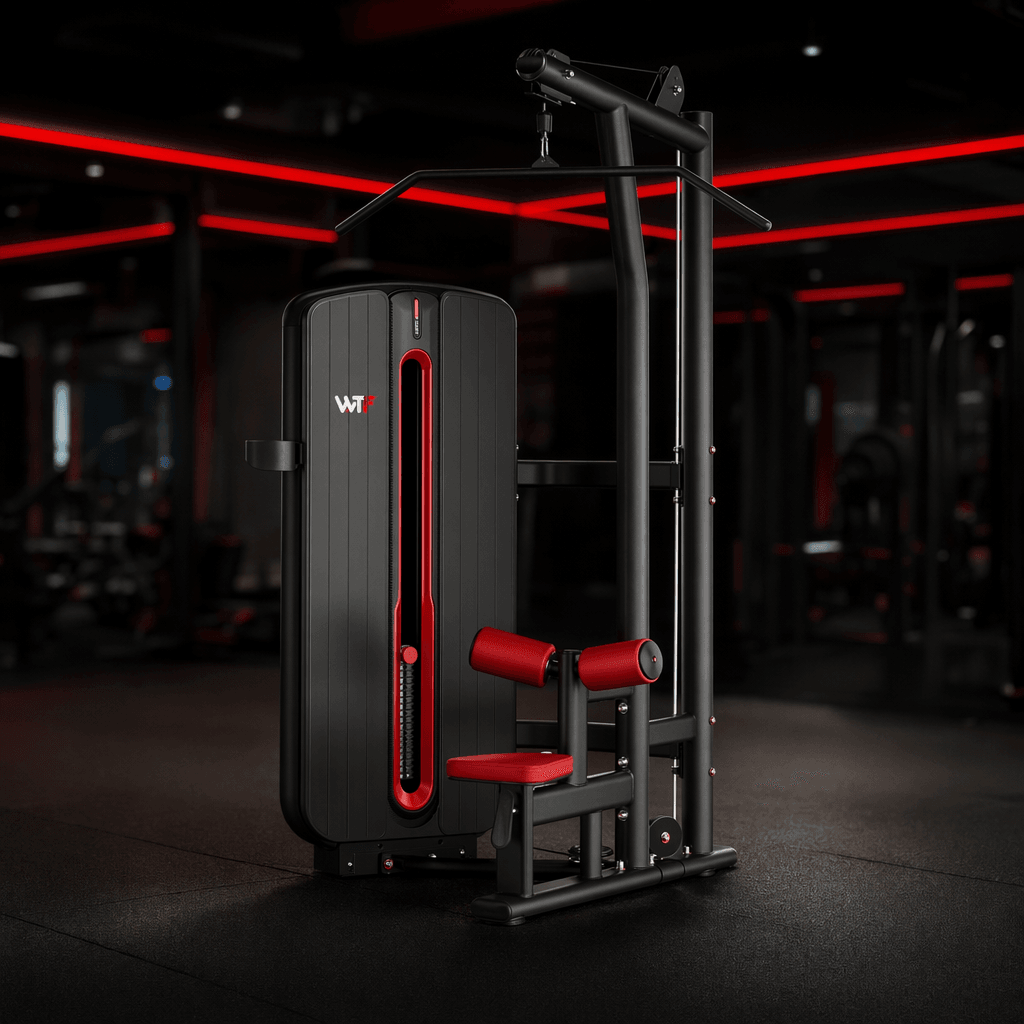 Lat Pull DownCore · C-RatedLat pulldown — vertical pull for the upper back
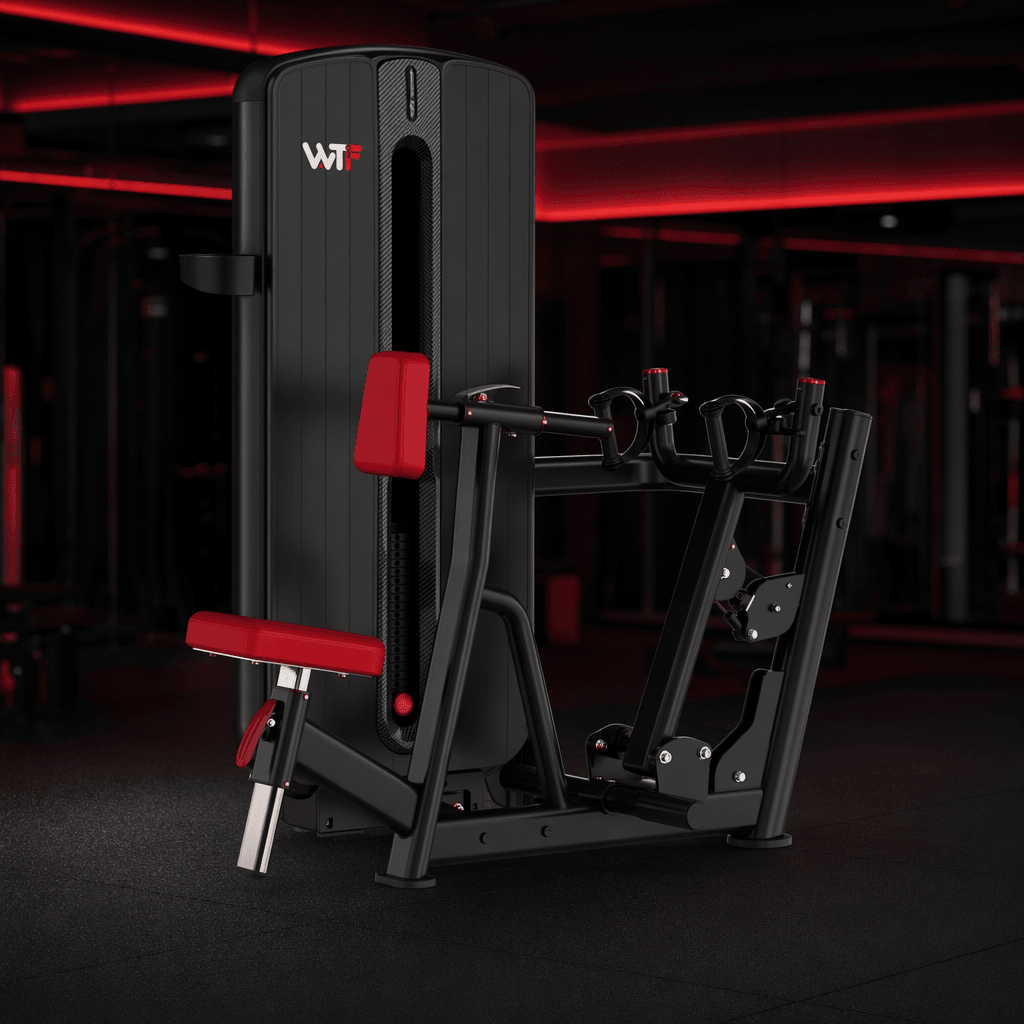 Seated RowCore · C-RatedSeated row — horizontal pull for mid-back
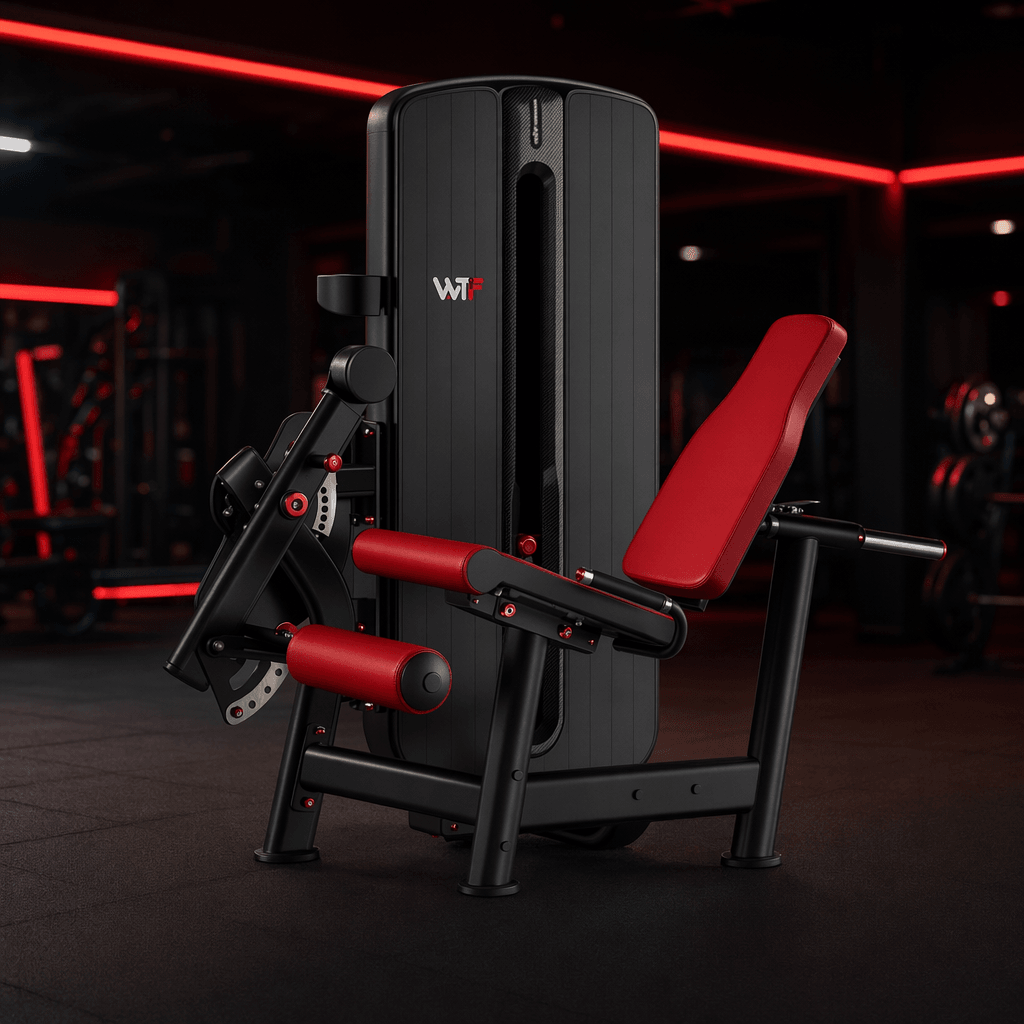 Leg ExtensionCore · C-RatedLeg extension — quadriceps isolation
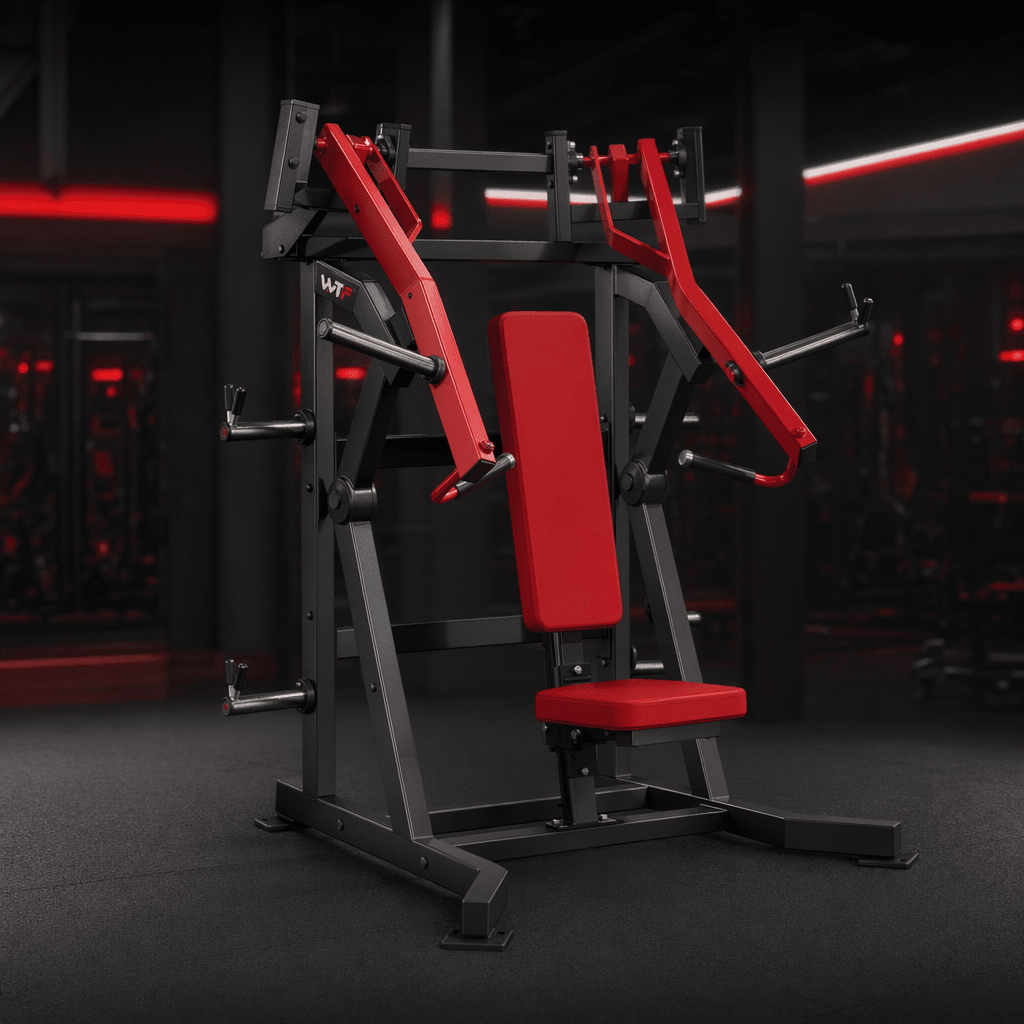 Iso Lateral Chest PressSignature · S-RatedIso-lateral chest press — plate-loaded, each arm independent
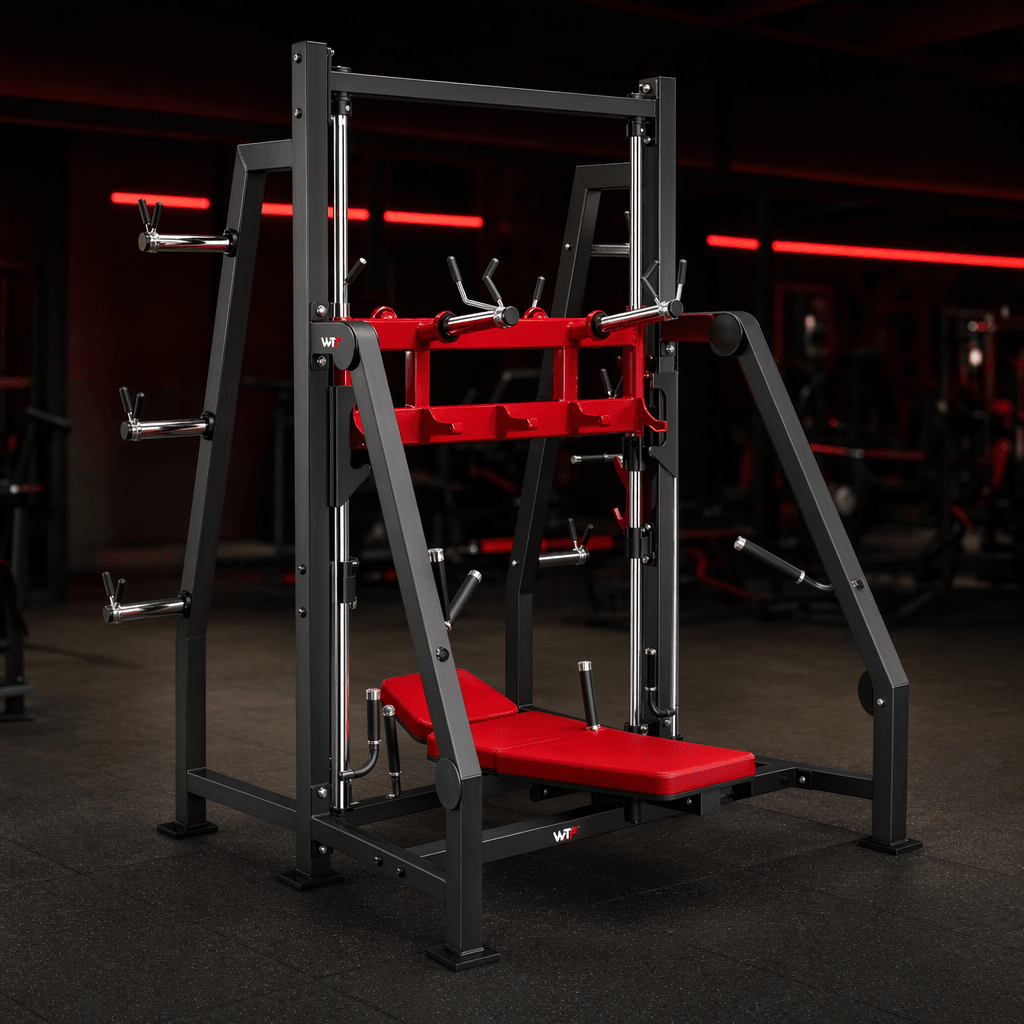 Power RackSignature · S-RatedPower rack — squats and presses inside safety uprights
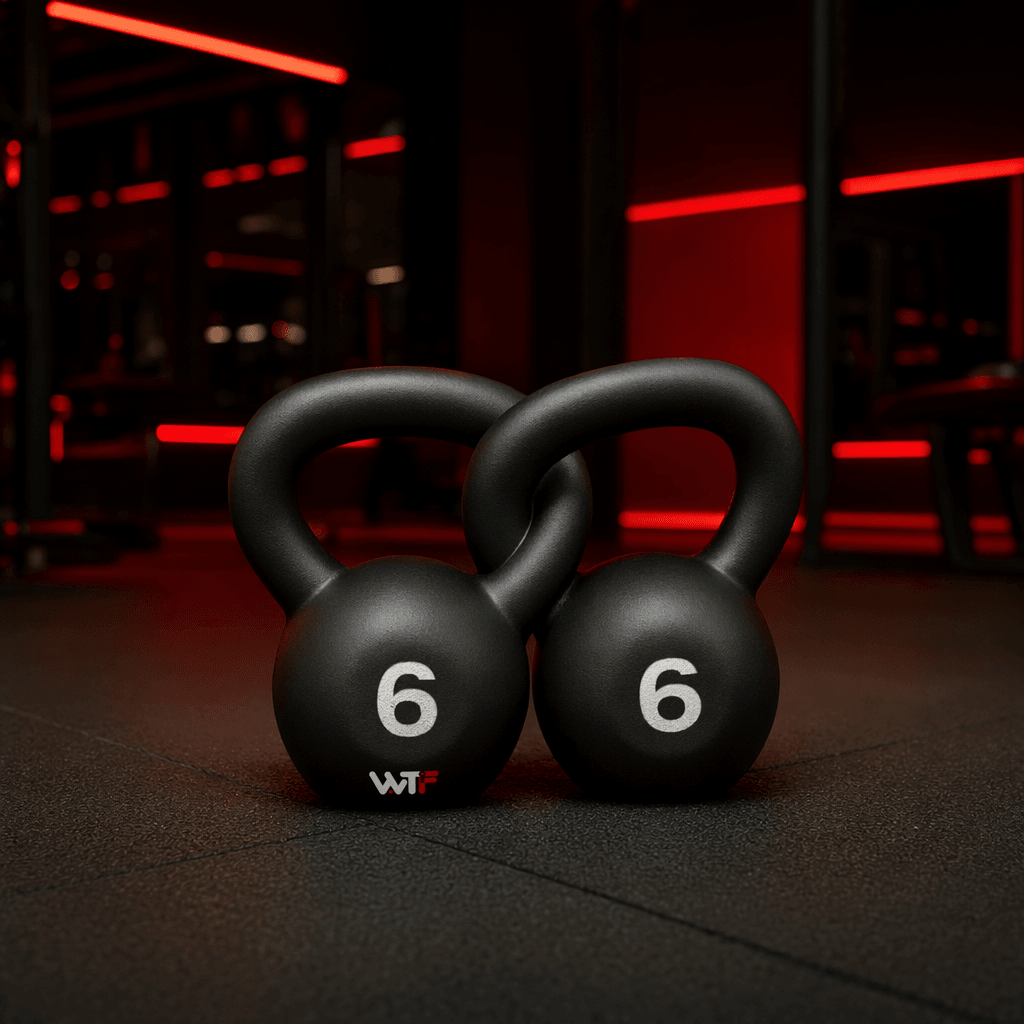 Cast Iron Kettle BellPro · P-RatedKettlebell — swings, carries and goblet squats
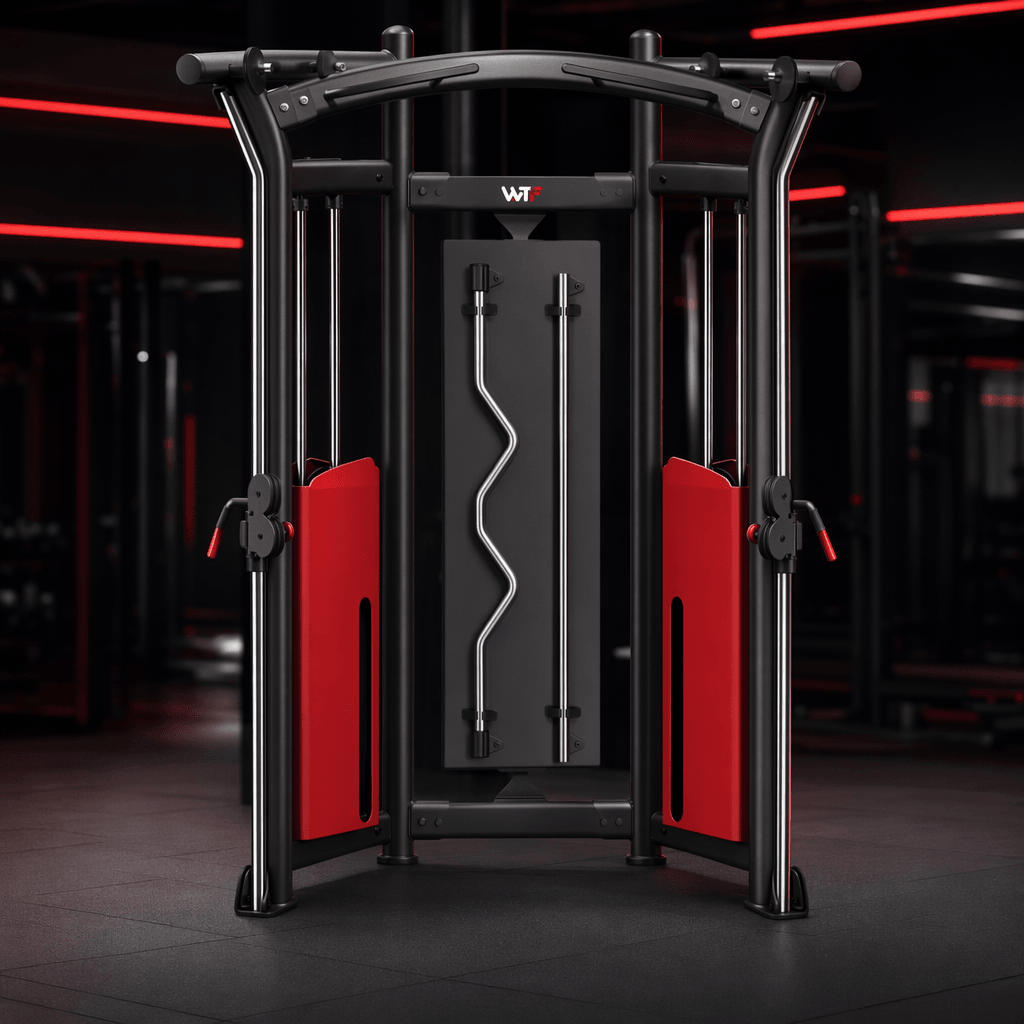 Functional TrainerCore · C-RatedFunctional trainer — twin adjustable cable stations
Cardio Equipment Names
Cardio equipment is usually the easiest zone to identify because the machine surrounds a repetitive movement: walking, running, cycling, striding or rowing. For commercial buyers, user-weight rating, motor type, running area, console visibility and footprint are practical checks. Always keep headroom between the user’s body weight and the machine’s rated maximum; do not select a machine rated exactly at the heaviest expected user.
- Treadmill: Recognise it by the running belt, side rails, front console and deck. WTF’s motorized examples include the BEAST, with an AC motor rated at 8 HP peak and 4 HP continuous, a 60 × 153 cm running area, 0–20% auto incline and 200 kg maximum user weight. Model 22 has powered speed control from 1–24 km/h, a 58 × 150 cm running area, 0–20% auto incline and 200 kg maximum user weight. WTF also lists a Curve Non-Motorized Treadmill, where the belt is user-driven rather than motorized.
- Elliptical cross trainer: Recognise it by two long pedals moving in an oval path, with handles for upper-body rhythm. The Commercial Elliptical Cross Trainer model AT-666 has a 21-inch stride, 32 resistance levels and a 200 kg maximum user weight.
- Spin bike: Looks like a compact indoor cycle with a flywheel at the front or centre, saddle, handlebar and resistance control. The Commercial Spin Bike model 5917 uses a 25 kg flywheel and Poly-V belt drive.
- Air rowing machine: Recognise it by the sliding seat, foot rests and pull handle. The Air Rowing Machine model AIR-ROWING has a solid steel frame, adjustable foot rests, an LCD monitor for workout data and eight resistance levels.
For a wider cardio shortlist, compare the cardio equipment category. Names that sound similar can still serve different buyers: a treadmill suits walking and running, an elliptical suits guided striding, a spin bike suits cycling sessions, and a rowing machine combines leg drive, hip hinge and upper-body pulling.
Selectorized Strength Machine Names
Selectorized machines use a weight stack and a pin. This can make them easy for beginners to understand and simple for busy floors to organise. You recognise them by the vertical stack of plates, adjustment pin, shrouded or guided movement arms, and a fixed seat or pad position. You can compare this style in the selectorized strength category.
| Name | Trains | How to recognise it |
|---|---|---|
| Chest press | Chest, shoulders, triceps | Seated press with forward handles |
| Lat pull down | Latissimus dorsi and upper back | High pulley with pull-down bar |
| Seated row | Mid-back and elbow flexors | Chest pad or seat with pulling handles |
| Leg extension | Quadriceps | Seat with shin roller lifting upward |
| Leg press | Quadriceps, glutes, hamstrings | Seated push platform for lower body |
| Pec fly/rear delt | Chest fly and rear shoulder | Two arms moving around the shoulder joint |
WTF catalogue examples make the names clearer. The Chest Press model AMDM-01 is 1,390 × 1,300 × 1,530 mm and uses a 100 kg weight stack. The Lat Pull Down model AMDM-12 is 1,340 × 1,365 × 2,290 mm with a 100 kg weight stack. The Seated Row model AMDM-04 is 1,590 × 910 × 1,530 mm with a 100 kg weight stack. The Leg Extension model AMDM-014 also uses a 100 kg weight stack.
When you see “selectorized” in a quote, confirm whether the named movement is single-purpose or dual-function. Pec Fly/Rear Delt is a good example of a name that tells you two movements are covered by one station, while Chest Press is usually a direct pressing station.
Plate-Loaded Machine Names
Plate-loaded machines do not use a selector pin. They use loose plates added to loading horns. You recognise them by large movement arms, plate storage or loading pegs, and a path that feels more like free-weight training while still guided by the machine.
- Iso lateral chest press: A chest press where left and right arms can move independently. The Iso Lateral Chest Press model AMV01 is a Signature (S) example with a black frame and red arms.
- Iso lateral decline chest press: A pressing station angled for decline pressing. The Iso Lateral Decline Chest Press model AMV08 is a Signature (S) example with a black frame and red arms.
- Straight line chest press: A press with a more direct forward path. The Straight Line Chest Press model A615 is a Signature (S) example with a heavy duty frame.
- Shoulder press: A seated overhead press pattern for shoulders and triceps. The Shoulder Press model AMV17 is a Signature (S) example with a black frame and red arms, while model A750 is a Signature (S) example with a heavy duty frame.
- Leg press: A lower-body press where the user pushes a platform or carriage. The Leg Press model AMV10 is a Signature (S) example with a heavy duty frame.
- Seated leg extension and iso lateral leg extension: Both train knee extension; iso lateral versions separate left and right sides. The Seated Leg Extension model AMV23 and Iso Lateral Leg Extension model AMV25 are Signature (S) examples with black frames and red arms.
- Smith hip thrust: A guided hip-extension setup. The 3d Smith Hip Thrust model A609 is a Signature (S) example with a heavy duty frame.
- Chest press and lat pull down combo: The Chest Press & Lat Pull Down model AMV28 combines pressing and pulling names in one station and is a Signature (S) example with a black frame and red arms.
Plate-loaded names can look similar to selectorized names, so check the loading method before comparing two quotes. “Lat Pull Down” may mean a stack machine in one list and a plate-loaded station in another. The movement name is only half the story; loading style changes the user experience and floor workflow.
Free Weights, Benches and Rack Names
Free weights are not tied to one fixed path. The common names are Olympic bar, dumbbell, weight plate, collar, kettlebell and curl bar. In WTF’s catalogue, the 20 kg Olympic Bar model 20KG-OLYMPIC-BAR-BRASS is a 7 ft bar with a 30 mm shaft diameter, brass bush for fluid movement, and black, red or nickel-coated colour options.
A rack is the structure that makes barbell work organised. A power rack has uprights, hooks and safety positions for squats, presses and pulls. The Power Rack model AMV24 is a Signature (S) model with a heavy duty frame. A Smith machine has a guided bar path; the Smith + Power Rack (Counter Balance) model AS029 is a Pro (P) model with a heavy duty frame.
- Olympic bar: Long bar used with Olympic plates; check shaft diameter, sleeve movement and size when specs are provided.
- Dumbbells: Handheld weights for pressing, rowing, lunges, raises and curls.
- Plates: Round loading weights used on bars and plate-loaded machines.
- Flat bench: Horizontal bench used for pressing, rowing and dumbbell work.
- Adjustable bench: Bench that changes back-pad angle for flat, incline and seated positions.
- Power rack: Cage-style station with uprights and safety positions for barbell training.
- Smith rack: Rack with a guided bar path, often used where users want a fixed track.
For this zone, look through the free weights range and confirm compatibility across bars, plates, racks and benches. Paisa vasool does not mean buying the most pieces; it means buying pieces that work together without awkward loading or storage gaps.
Duty Tiers Behind the Names
Two machines can share a name but sit in different duty classes. WTF uses duty tiers to separate Core (C), Pro (P) and Signature (S) equipment; see the ratings guide for the full explanation.
| Tier | What it means | Typical zone |
|---|---|---|
| C | Core tier for full-commercial cardio, selectorized and functional lines. | Cardio and selectorized strength |
| P | Pro tier for performance and club-duty free-weight areas. | Free weights, benches, racks |
| S | Signature tier for flagship strength pieces in the range. | Plate-loaded strength and selected rack pieces |
As a gym operator with 260+ gyms, WTF writes equipment advice around real buying decisions: matching the name, the duty tier and the intended training zone. WTF delivers and installs, provides a full GST invoice, and can share an itemised quote within 24 hours. Buyers can also visit the Noida showroom at D-27, Sector 112, Noida, UP 201305, to see the equipment range in person.
Common Name Confusions to Avoid
Many buyers search “gym equipment names with pictures” because the same movement appears in different-looking machines. The safest method is to identify three things: body movement, loading method and machine structure.
| Confusing pair | Main difference | Buying check |
|---|---|---|
| Chest press vs pec fly | Pressing path vs hugging arc | Check handles and arm path |
| Lat pull down vs seated row | Vertical pull vs horizontal pull | Check pulley height |
| Leg extension vs leg press | Knee extension vs multi-joint push | Check seat and shin/platform contact |
| Treadmill vs curve treadmill | Motorized belt vs user-driven belt | Check WTF catalogue listing |
| Power rack vs Smith machine | Free bar path vs guided bar path | Check bar movement |
| Selectorized vs plate-loaded | Pin stack vs loose plates | Check loading method |
WTF's range covers motorized and curve (non-motorized) treadmills, spin bikes, ellipticals and air rowers. If you are looking for a foldable or home-only variant, ask before assuming it exists.
How to Read a Gym Equipment Quote
- Match the name to the zone. Cardio, selectorized, plate-loaded, free weights, benches and functional items should not be mixed in one vague line.
- Ask for the model. A model number separates similar names such as AMDM selectorized machines and AMV plate-loaded machines.
- Check the loading style. Pin stack, loose plates, guided bar and loose free weights all change how the station is used.
- Read the stated specifications only. Use listed dimensions, weight stack, user-weight rating, motor and frame notes instead of assumptions.
- Check cardio ratings. User-weight rating, running area, drive style and console details should match the intended floor use.
- Confirm invoice and installation basics. WTF delivers and installs and provides a full GST invoice.
For functional training names, think of open-ended movement rather than one fixed exercise: cable attachments, ropes, rigs, sled patterns and mobility tools. The exact equipment list depends on the training model and available space, so it is better handled in a layout discussion than guessed from names alone.