Gym equipment for kids should mean supervised movement tools first, not mini versions of every adult machine. For a home gym for kids, focus on bodyweight play, cones, agility ladders, soft plyo boxes, gym balls, light bands, and only carefully installed pull-up options. Adult cardio, weight stacks and heavy free weights need strict controls because sizing, speed, load and pinch points matter. Seedhi baat: buy for safe play, not ego lifting.
What Counts as Kid-Friendly Gym Equipment?
For children, the useful starting point is not a treadmill or a loaded bar. It is a clear floor, soft landing areas, simple movement tasks, and equipment that encourages crawling, stepping, jumping, balancing, throwing under control, hanging with supervision, and basic coordination. That is why functional tools are usually a better fit than adult strength machines.
WTF is a gym operator with 260+ gyms, so our buying advice is deliberately practical: choose equipment that is simple to explain, easy to store, and hard to misuse when an adult is watching. For browsing the wider range, start with functional training equipment, then filter the idea through your child’s age, height, confidence, and available space.
| Equipment | Kid-friendly use | Adult check |
|---|---|---|
| Agility ladder | Footwork games, step patterns | Flat floor, no rushing |
| Cones | Routes, relays, target zones | Keep gaps clear |
| Low hurdles | Step-over drills, coordination | Match height to ability |
| Gym ball | Balance play, seated drills | Right size and clear space |
| Soft plyo box | Step-ups, low jumps | No crowding nearby |
| Pull-up bar | Hanging practice | Anchored, supervised |
A Practical Sports Equipment List for Kids
If you are making a sports equipment list for kids, separate “movement play” from “adult gym training”. A child does not need a full weight room to build a healthy activity habit. They need clear instructions, a safe layout, and equipment that makes movement feel like a game.
- Bodyweight play: bear crawls, animal walks, squats to a box, balance holds, skipping-style footwork without a rope in tight rooms.
- Floor markers: plastic cones can mark start lines, turns, colour games, and throwing targets.
- Footwork tools: an agility ladder helps create simple step-in, step-out and sideways movement patterns.
- Low obstacles: an agility hurdle can be used for step-overs before any jumping is introduced.
- Soft platforms: the Soft Pylo Box Set lists sizes of 6, 12, 18, and 24 inch, giving adults options to select a lower challenge first.
- Balance tools: a gym ball can support supervised sitting, balance, and core-control games when sized sensibly.
The useful sports equipment name for kids is not always a machine name. “Cone”, “ladder”, “hurdle”, “ball”, “mat”, “box”, and “band” are often more relevant than adult gym-machine labels. Keep instructions short: one task, one direction, one child moving at a time where space is limited.
Home Gym for Kids: Indoor Layout Rules
A home gym for kids should feel more like a controlled play zone than a compact adult gym. Keep the route visible from one point, remove loose clutter, and leave landing space around any jumping or balance activity. Avoid placing a gym ball beside sharp furniture, glass, open shelves, or hard corners.
For gym equipment for kids indoor use, storage matters as much as the equipment itself. Bands should be put away after use, balls should not roll into walking paths, and cones or hurdles should not be left where someone may trip. If your home gym also has adult equipment, create a clear “kids can use” and “kids cannot use” separation.
- Pick one activity zone: ladder, cones, hurdle line, or gym ball area.
- Clear the floor before every session; remove toys, cables, bottles, and bags.
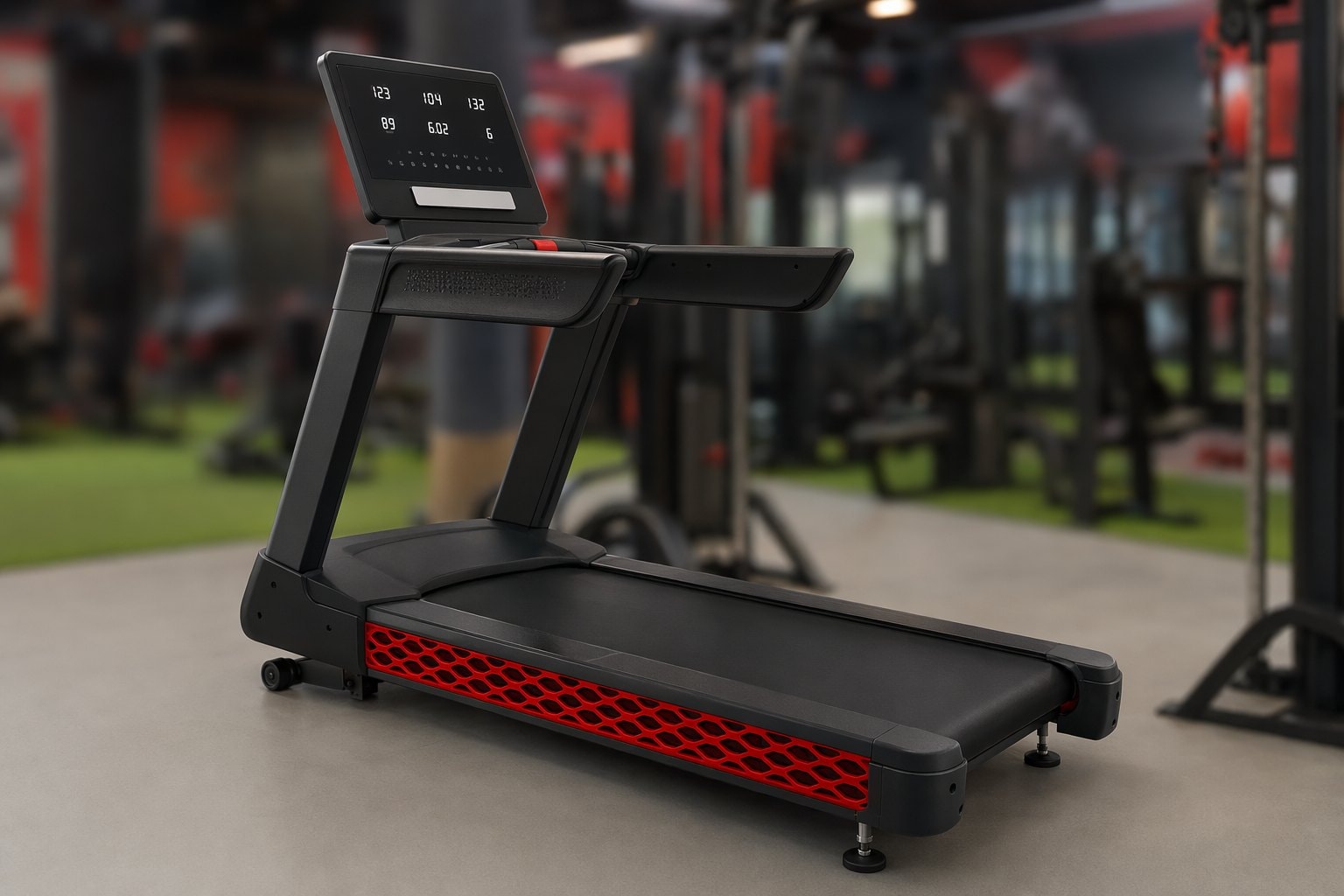
- Keep adult machines unplugged when not in use, especially treadmills.
- Store dumbbells, plates, and bars on racks, not on the floor.
- End the session by putting every small item back in its place.
If you are planning a broader family workout space, our home gym setup guide can help you think through flooring, spacing, storage, and equipment order without turning the kids’ area into an adult lifting zone.
Pull-Up Bars, Gym Balls and Soft Boxes
Pull-Up Bar for Kids
A pull up bar kids can use is not mainly about the bar; it is about installation, height, landing area, grip comfort, and supervision. A child should not jump blindly for a high bar or swing near furniture. Read a dedicated pull-up bar buying guide before deciding between home options.
In WTF’s catalogue, the Crossfit Rig includes a chin up bar along with parallel bar, side handlebars, punching bag, plate rack, flag handlebar, T bar holder, accessories two-layer rack, monkey ladder, squat rack, jumping set, and battle rope. Its spec says build: commercial-grade materials and Made In: India. That is a gym-zone product, not a casual children’s toy, so adult control is essential.
Gym Ball for Kids
A gym ball kids use should be chosen by size and control, not by colour alone. The WTF Gym Ball lists 45cm, 75cm, and 85cm options, and Made In: India. For children, the adult should choose a size that allows stable seated contact with the floor and should keep the ball away from sharp edges.
Use a gym ball for slow, supervised tasks: sitting balance, gentle roll-outs controlled by the adult, or simple posture games. Avoid standing on the ball, racing on it, or using it on a slippery floor. For more selection context, see the gym ball guide.
Soft Plyo Boxes
Soft boxes are useful because adults can make the task as simple as stepping up and stepping down. The Soft Pylo Box Set lists sizes of 6, 12, 18, and 24 inch, and Made In: India. For young kids, use the lower challenge first and prioritise control over height.
Adult Gym Equipment Children Should Avoid
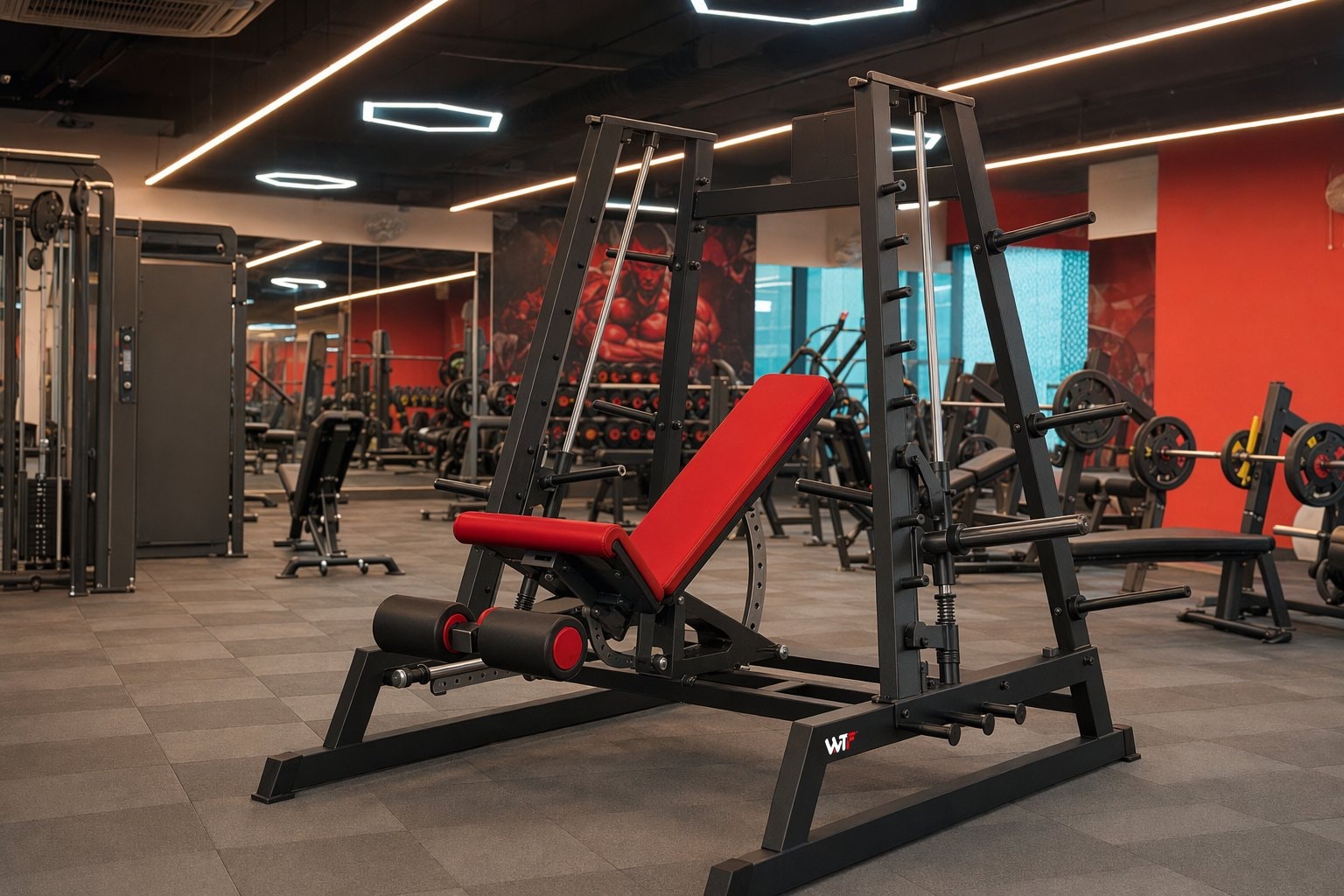
Can kids use gym equipment? Some simple tools, yes, with an adult. But adult machines need caution because they are designed around adult body size, adult attention, and adult load selection. Treadmills, weight stacks, cable stations, benches under loaded bars, heavy dumbbells, and plate-loaded machines should not be treated as play equipment.
- Treadmills: use safety keys, remove the key after adult use, unplug when not in use, and do not allow unsupervised play on the belt.
- Weight stacks: pins, plates, cables, and moving arms can create pinch or impact risks if a child plays with them.
- Heavy free weights: dumbbells, plates, and bars should live on racks and should not be rolled, dragged, or used as toys.
- Benches and racks: children should not climb, hang, or crawl under loaded setups.
- Resistance bands: use only light bands with adult control; check anchoring and avoid face-level snap-back paths.
If a child wants to copy an adult workout, change the pattern rather than the load. A squat can become a sit-to-stand from a box. A row can become a band pull with a light band. A sprint can become a cone shuttle at walking pace. Paisa vasool equipment for kids is equipment they can use correctly, repeatedly, and calmly.
How WTF Classifies Duty for Equipment
WTF uses duty tiers to help buyers separate home play tools from commercial gym equipment. For children’s spaces, these tags do not replace adult judgement, but they do help you understand what class of product you are viewing.
| Tier | Wording | Relevant examples |
|---|---|---|
| C | Core — full-commercial duty: cardio, selectorized, plate-loaded and functional lines rated for 16hr+/day floors, 7 days a week; 3mm steel main frames; continuous-duty AC motors on cardio (up to 5HP continuous). | Agility ladder, hurdles, cones, soft box set |
| P | Pro — performance/club duty for the free-weight zone: dumbbells, plates, bars, benches and racks built for thousands of drops and re-racks a week. | Gym ball, Ladder Ab Board |
| S | Signature — flagship strength pieces, heaviest builds in the range, for the zones that sell memberships on a walk-through. | Not the focus for kids’ home play |
For a children’s indoor activity corner, the label should not push you toward oversized equipment. A simple home gym use-case page can help you separate family fitness needs from adult gym-machine needs before you request a quote.
When to Ask a Coach or Paediatrician
Ask a paediatrician or qualified coach before structured exercise if the child has pain, dizziness, a recent injury, a known medical condition, unusual fatigue, or fear around a movement. Also ask for guidance if you are unsure whether a child is ready for hanging, jumping, resistance bands, or any repetitive drill.
For most families, the better plan is short, playful, supervised sessions rather than adult-style workouts. Stop if the child loses focus, starts rushing, or turns equipment into climbing furniture. Good equipment choices still need calm coaching.
Buying from WTF
WTF delivers and installs, provides a full GST invoice, and shares an itemised quote within 24 hours. Buyers can also visit the showroom at D-27, Sector 112, Noida, UP 201305 to see machines in person. For kids’ equipment, bring room measurements and explain whether the setup is for a bedroom, terrace, society play area, school, or family gym.
A good shortlist for home gym equipment kids may use often is simple: cones, ladder, low hurdles, a correctly sized ball, a soft box, and safe storage. Add pull-up or rig-style equipment only when anchoring, supervision, and space are fully thought through.