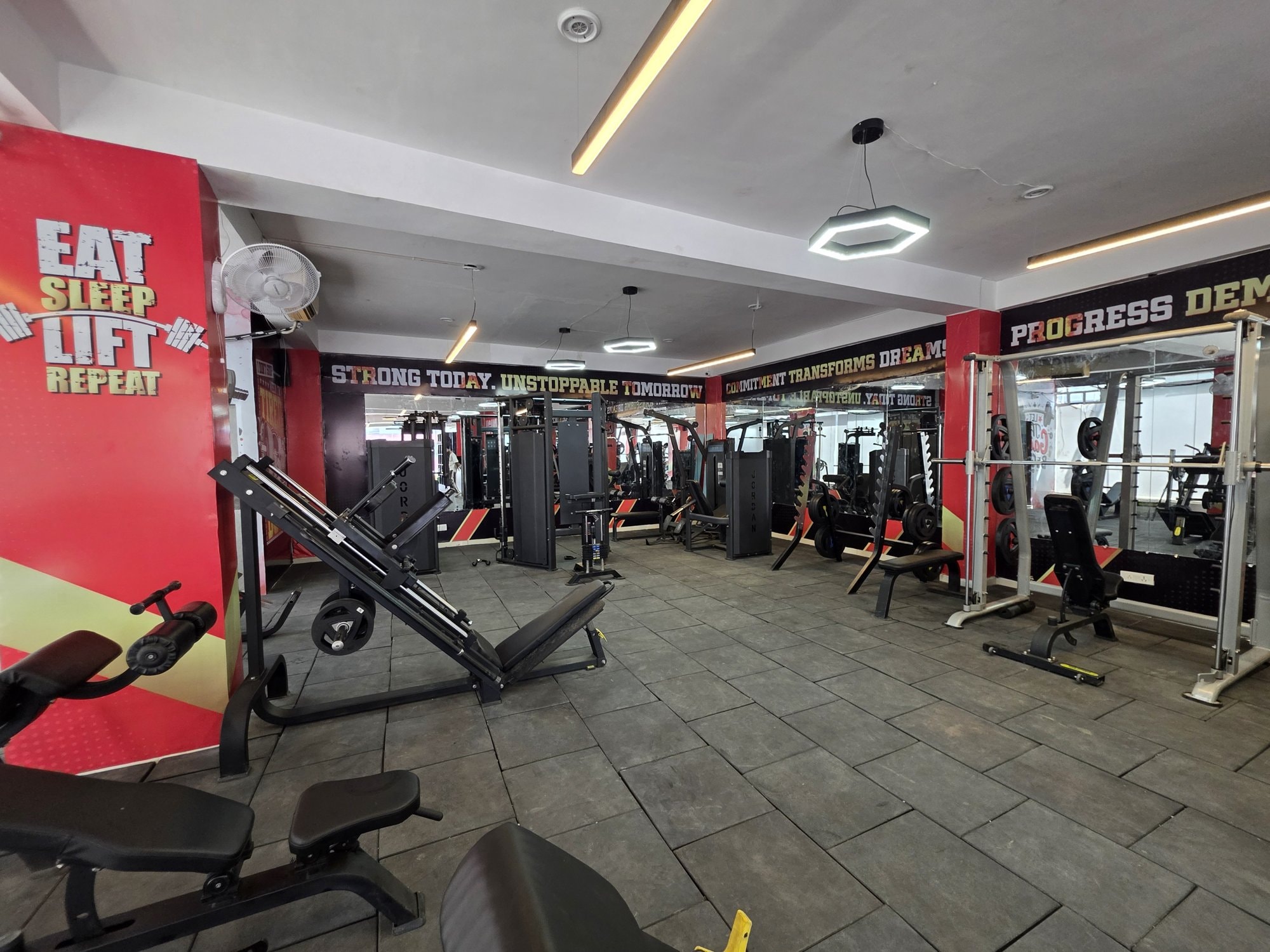
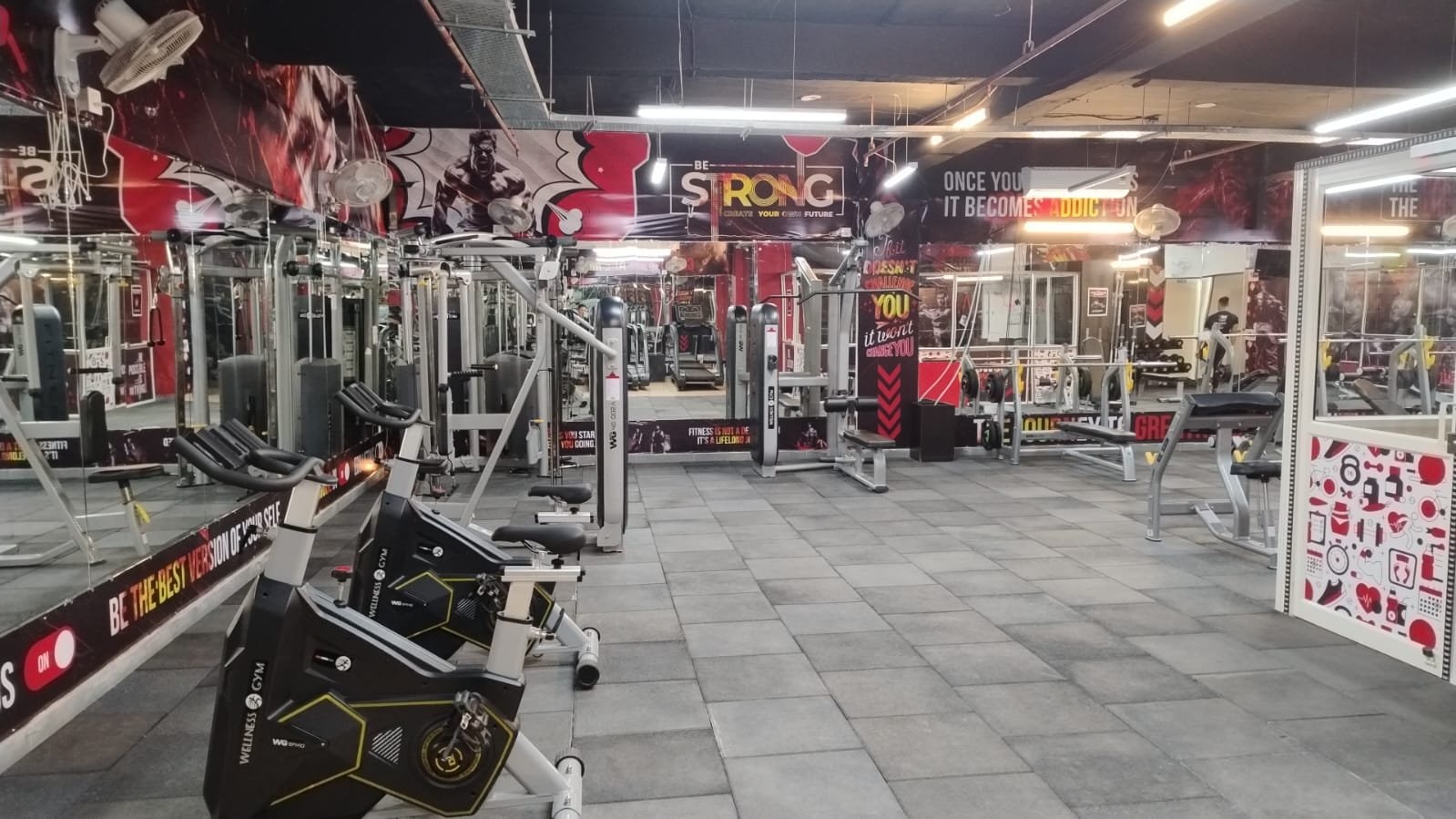
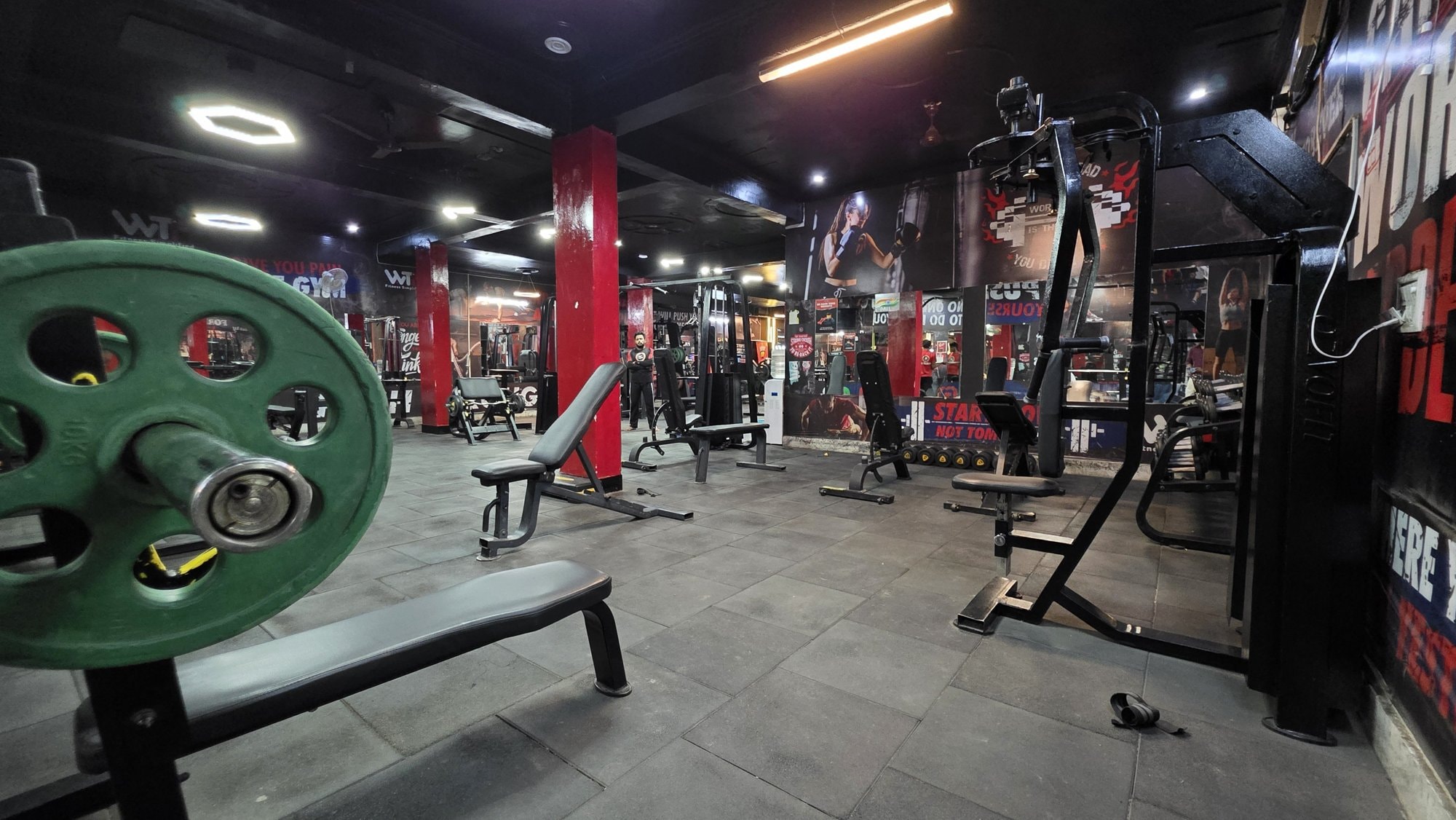
Gym equipment for beginners should start with fixed-path selectorized machines, then move to cables and free weights. This approach keeps setup simple, makes the movement path clear, and helps new users learn control before loading heavier exercises. WTF runs 260+ gyms, so this guide uses an operator-style lens: choose equipment that is easy to explain, easy to adjust, and suitable for repeated beginner use.
Start With Machines That Guide the Movement
For a first gym equipment for beginners guide, selectorized strength machines are the cleanest starting point. The weight stack is adjusted with a pin, the frame guides the path, and the user does not need to balance a bar or pair of dumbbells while learning the exercise.
The first gym machines for beginners should cover push, pull, legs and basic cardio. Chest press, lat pulldown, seated row, leg press and leg extension are usually more beginner-friendly than complex free-weight lifts because the user can focus on posture, breathing and range of motion.
In the WTF catalogue, Chest Press model AMDM-01, Lat Pull Down model AMDM-12, Leg Press model AMDM-015, Seated Row model AMDM-04, Leg Extension model AMDM-014 and Shoulder Press model AMDM-03 are selectorized strength machines with 100 kg weight stacks and Made In India listed in their specifications.
| Equipment | What it trains | Setup checks | Common mistake |
|---|---|---|---|
| Chest press | Chest, shoulders, triceps | Seat height, pin, range | Shrugging shoulders forward |
| Lat pulldown | Back, biceps | Seat/thigh pad, pin, range | Pulling behind the neck |
| Seated row | Mid-back, biceps | Chest support, pin, range | Leaning back to finish |
| Leg press | Quads, glutes, hamstrings | Seat, pin, knee range | Locking knees hard |
| Leg extension | Quadriceps | Back pad, pin, knee range | Swinging the lower leg |
| Shoulder press | Shoulders, triceps | Seat height, pin, range | Arching the lower back |
How To Use Gym Equipment for Beginners
Using gym equipment for beginners comes down to three checks before every set: adjust the body position, choose a load that moves smoothly, and keep the movement inside a controlled range. Seedhi baat: if the user cannot control the start and finish of the movement, the load is too high.
- Set the seat first. Handles, pads and foot plates should meet the body without forcing the neck, lower back or shoulders into an awkward position.
- Set the pin second. Start with a light stack selection and move gradually. The first working load should feel stable, not shaky.
- Check the range last. Move through a pain-free range with control. Do not chase extra depth if joints or posture shift.
A trainer is useful in the first few sessions because beginners often copy the picture on the machine but miss body alignment. Ask the trainer to check seat height, grip, breathing, joint path and how to exit the machine safely.
A First-Week Machine Circuit Map
This table is general guidance, not a programme. Beginners should learn the machines with a trainer and keep effort comfortable while they understand setup, posture and control. If pain appears, stop the movement and get form checked.
| Order | Station | Why it comes here | Move on when |
|---|---|---|---|
| Start | Treadmill walk | Raises readiness without complex skill | Breathing feels steady |
| Push | Chest press | Teaches guided upper-body pressing | Shoulders stay down |
| Pull | Lat pulldown | Builds back awareness | Bar path stays controlled |
| Legs | Leg press | Stable lower-body work | Knees track smoothly |
| Back | Seated row | Balances pushing work | Torso stays quiet |
| Finish | Light dumbbells | Introduces balance and grip | Form stays consistent |
The idea is not to exhaust the beginner. The idea is to teach how to work gym machines: enter, adjust, choose load, perform controlled reps, re-rack or reset, and leave the station ready for the next user.
When To Add Cables and Free Weights
After fixed-path machines, add cable stations and dumbbells. Cables allow more freedom than selectorized machines but still keep tension predictable. Dumbbells add balance, grip and coordination demands, so they suit beginners once they can already control basic pushing, pulling and hinging positions.
For exercise equipment for beginners, dumbbells are useful because one pair can train pressing, rowing, squatting patterns, carries and arm work. In the catalogue, Vinyl Dumbbells model DB05 lists sizes 1, 2, 3, 4 and 5 kg, while Hexagon Dumbbells model DB01 lists sizes from 2.5 kg to 40 kg.
From our price guide, the dumbbell MRP / list-price band is ₹295–₹369 per kg MRP. Treat this as a planning band, not a per-piece quote, because the final selection depends on type, size mix and total quantity.
Gym Equipment for Beginners at Home
Gym equipment for beginners at home should stay compact, simple and repeatable. A practical starter kit is light dumbbells, adjustable dumbbells if space is tight, a stable bench, a floor-work area, and one cardio option if the room and access path allow it.
For gym equipment for use at home, measure the workout area, ceiling height, doorway access and storage space before choosing. If choosing a treadmill, keep headroom between the user’s body weight and the machine’s rated maximum; do not choose a model rated exactly at the user’s weight.
For example, Motorized Treadmill model 22 lists a maximum user weight of 200Kgs, a 58x150cm running area, 0-20% auto incline and an AC motor with 8 HP peak and 4HP continuous. Curve Non-Motorized Treadmill model CURVE lists a 150kg max user weight and six level of resistance.
Price Bands To Plan Around
Use price bands to compare categories before asking for an itemised quote. From our price guides, Chest Press Machine is ₹1,35,500–₹2,00,500 MRP, Lat Pulldown Machine is ₹1,33,000–₹1,89,000 MRP, and Leg Press Machine is ₹1,71,000–₹2,30,000 MRP.
For a beginner-friendly commercial floor, the buying order is usually: guided strength first, then dumbbells, then more specialised stations. Paisa vasool planning means buying machines that new users can understand quickly, not only equipment that looks impressive on opening day.
WTF delivers and installs, provides a full GST invoice, and can share an itemised quote within 24 hours. Buyers who want to see machines in person can visit the showroom at D-27, Sector 112, Noida, UP 201305.
Duty Tiers for Beginner Zones
Duty tier matters because beginner zones often see repeated adjustments, pin changes and mixed user profiles. The goal is not just load capacity; it is predictable setup, stable frames and equipment that fits the intended floor.
| Tier | Duty description | Beginner-zone fit |
|---|---|---|
| Core | Core — full-commercial duty: cardio, selectorized, plate-loaded and functional lines rated for 16hr+/day floors, 7 days a week; 3mm steel main frames; continuous-duty AC motors on cardio (up to 5HP continuous). | Main machines and cardio |
| Pro | Pro — performance/club duty for the free-weight zone: dumbbells, plates, bars, benches and racks built for thousands of drops and re-racks a week. | Dumbbells and benches |
| Signature | Signature — flagship strength pieces, heaviest builds in the range, for the zones that sell memberships on a walk-through. | Premium strength zones |
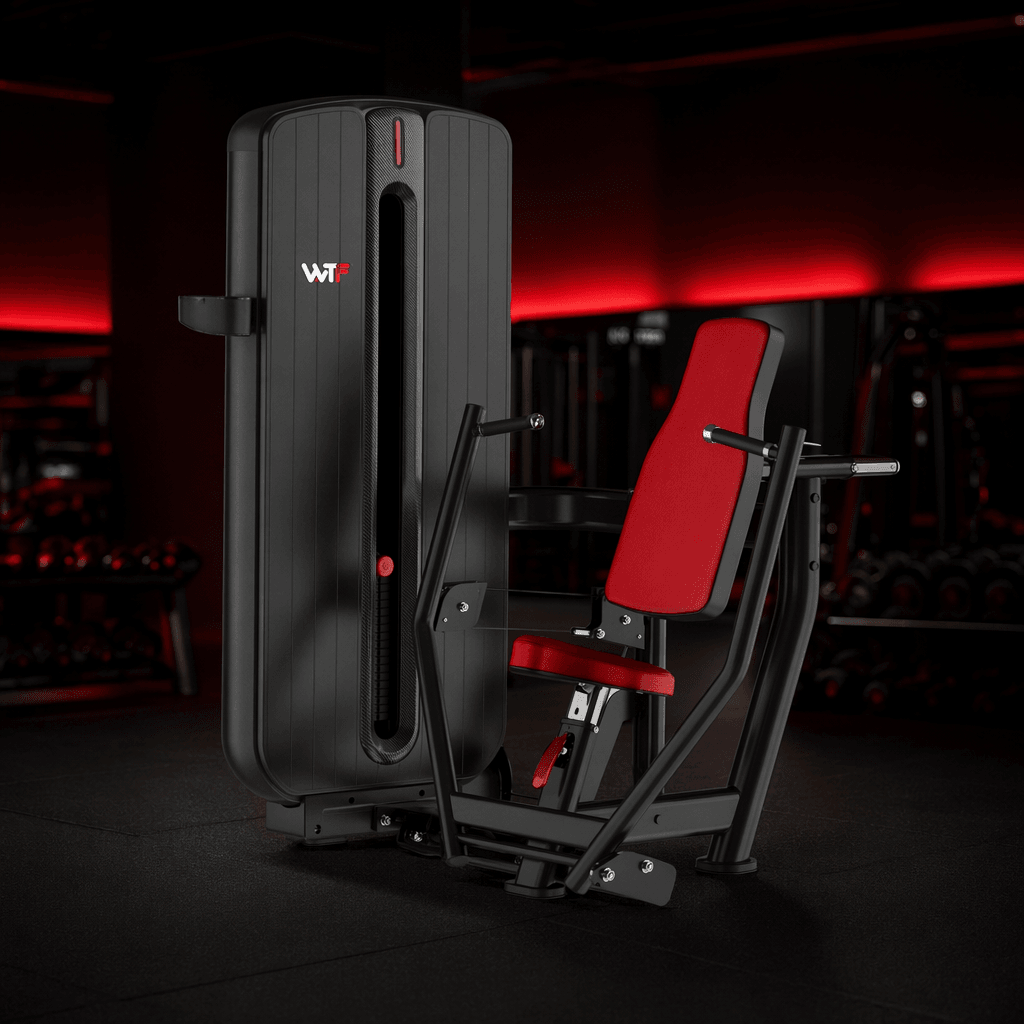 Chest PressCore · C-RatedFixed-path push strength
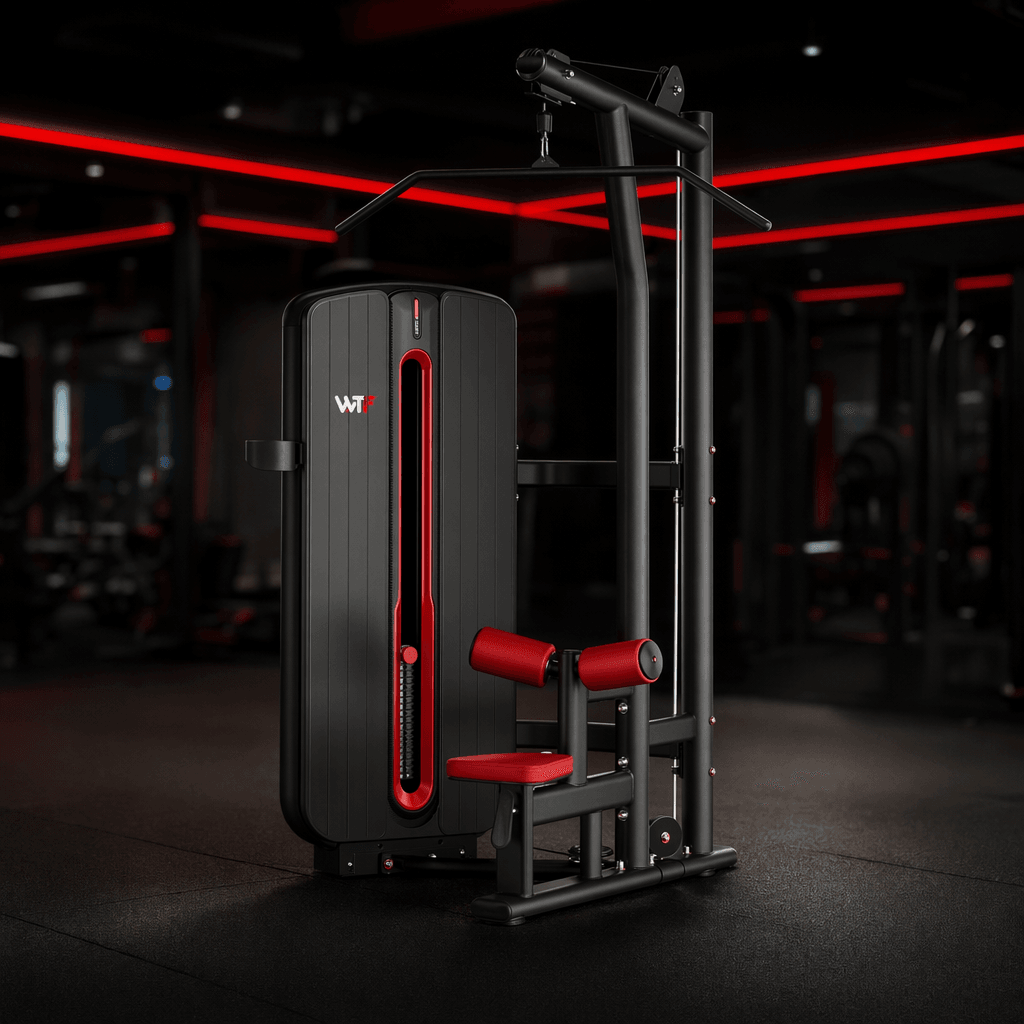 Lat Pull DownCore · C-RatedBack training with guided pull
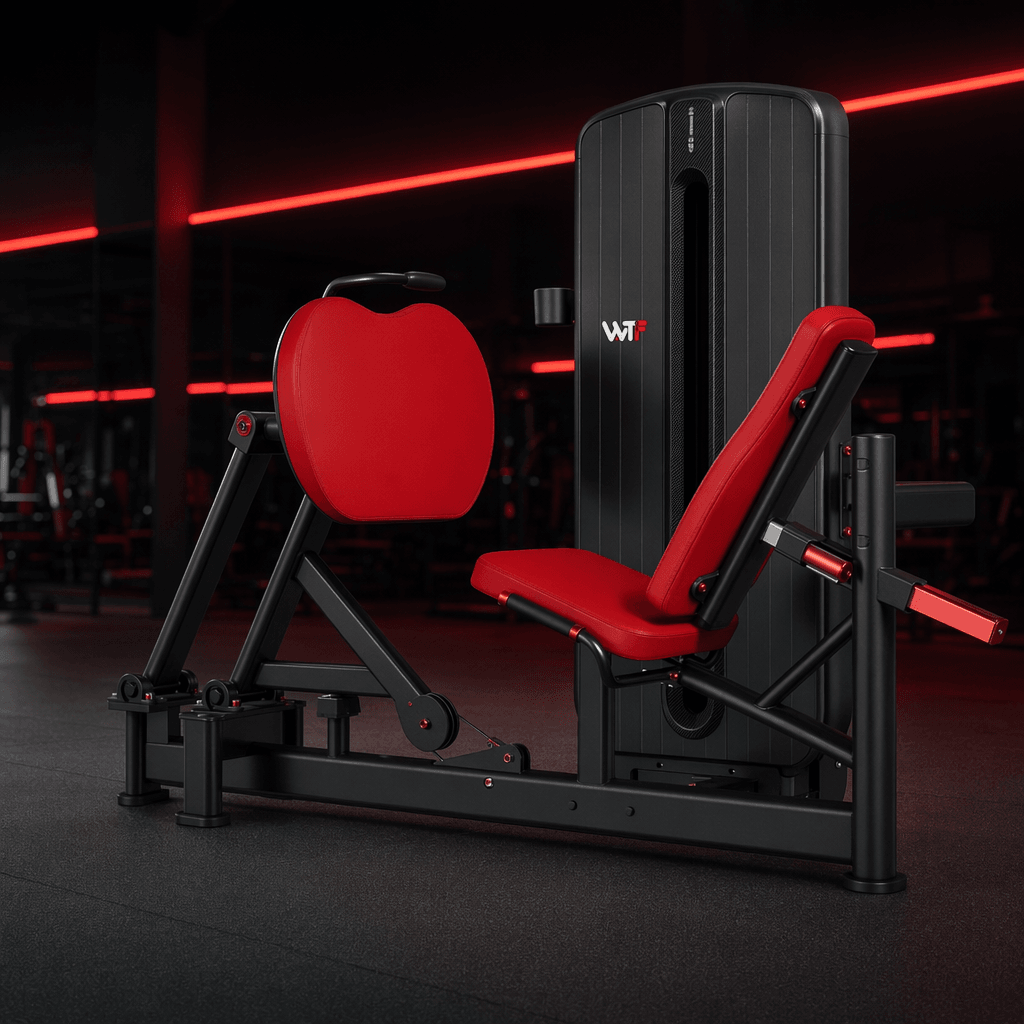 Leg PressCore · C-RatedGuided lower-body pressing
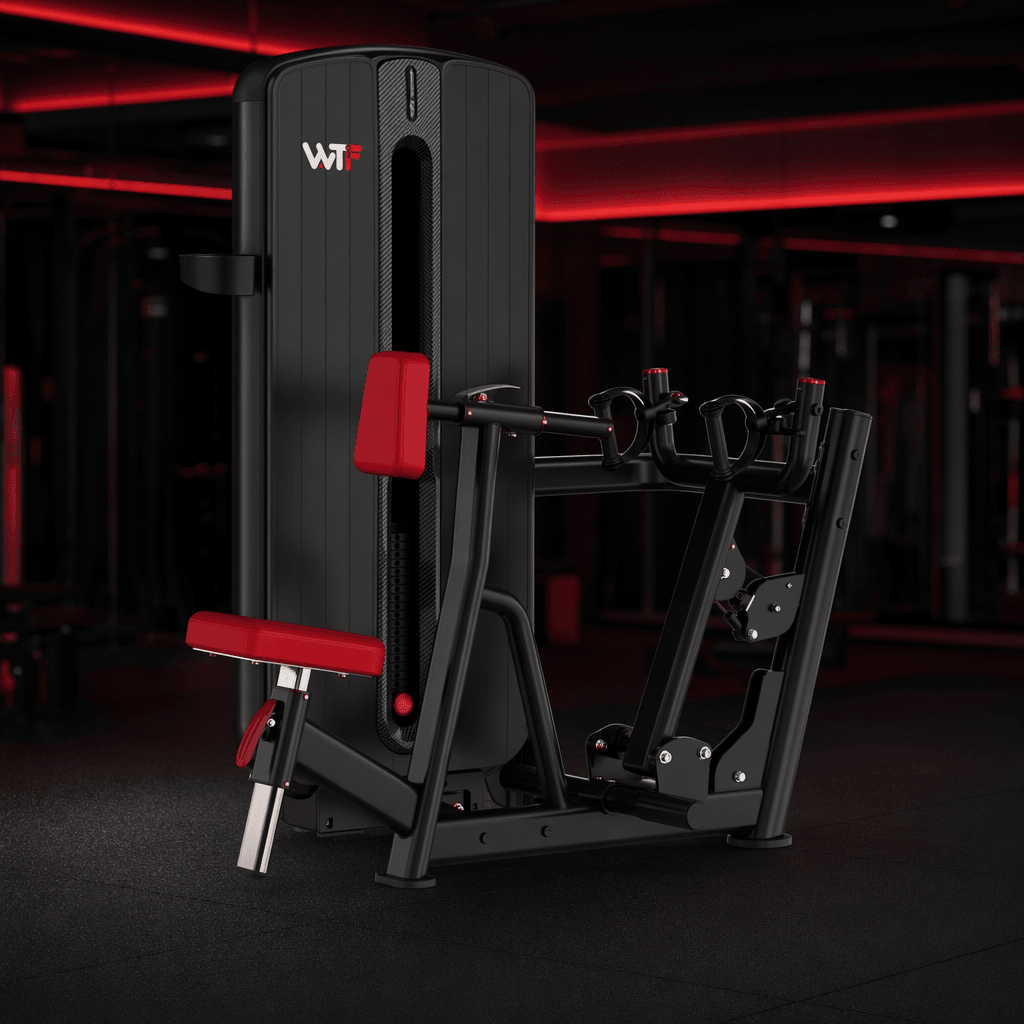 Seated RowCore · C-RatedSupported rowing practice
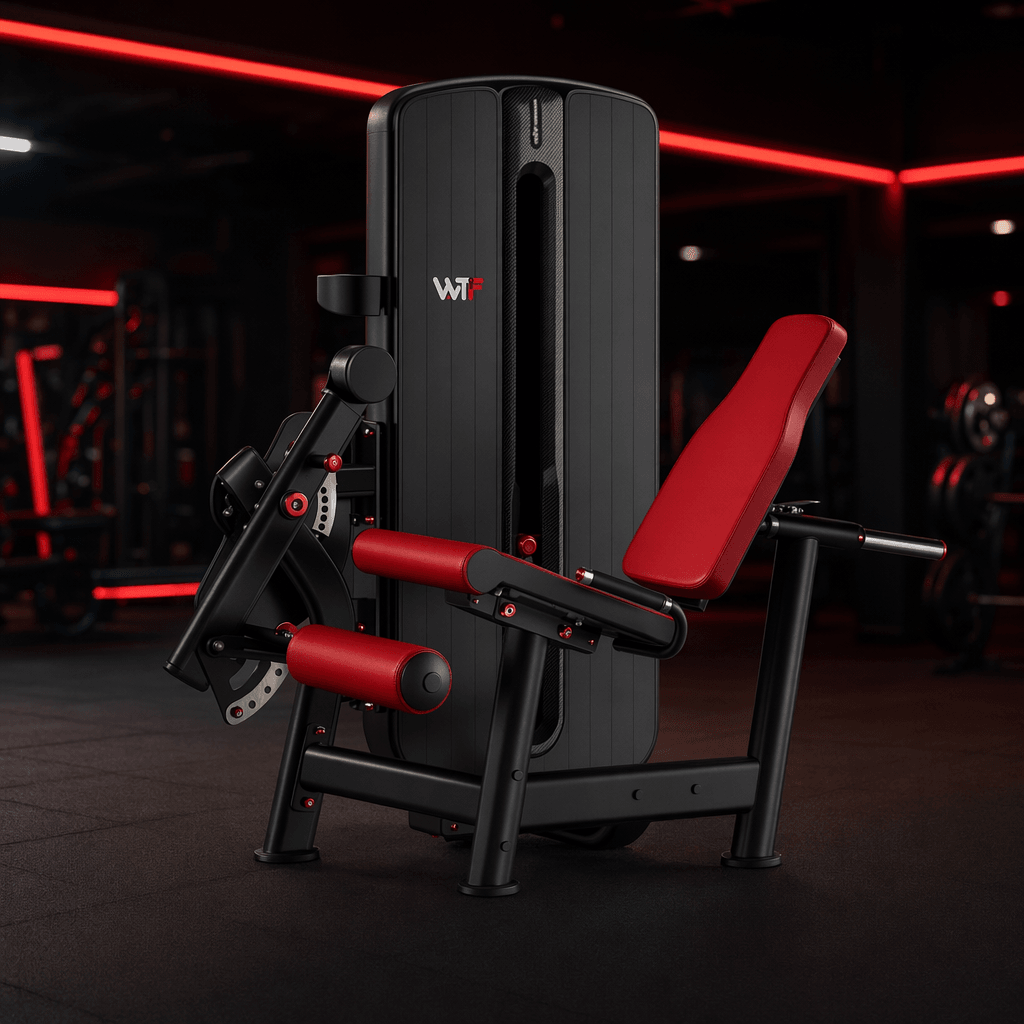 Leg ExtensionCore · C-RatedQuadriceps isolation work
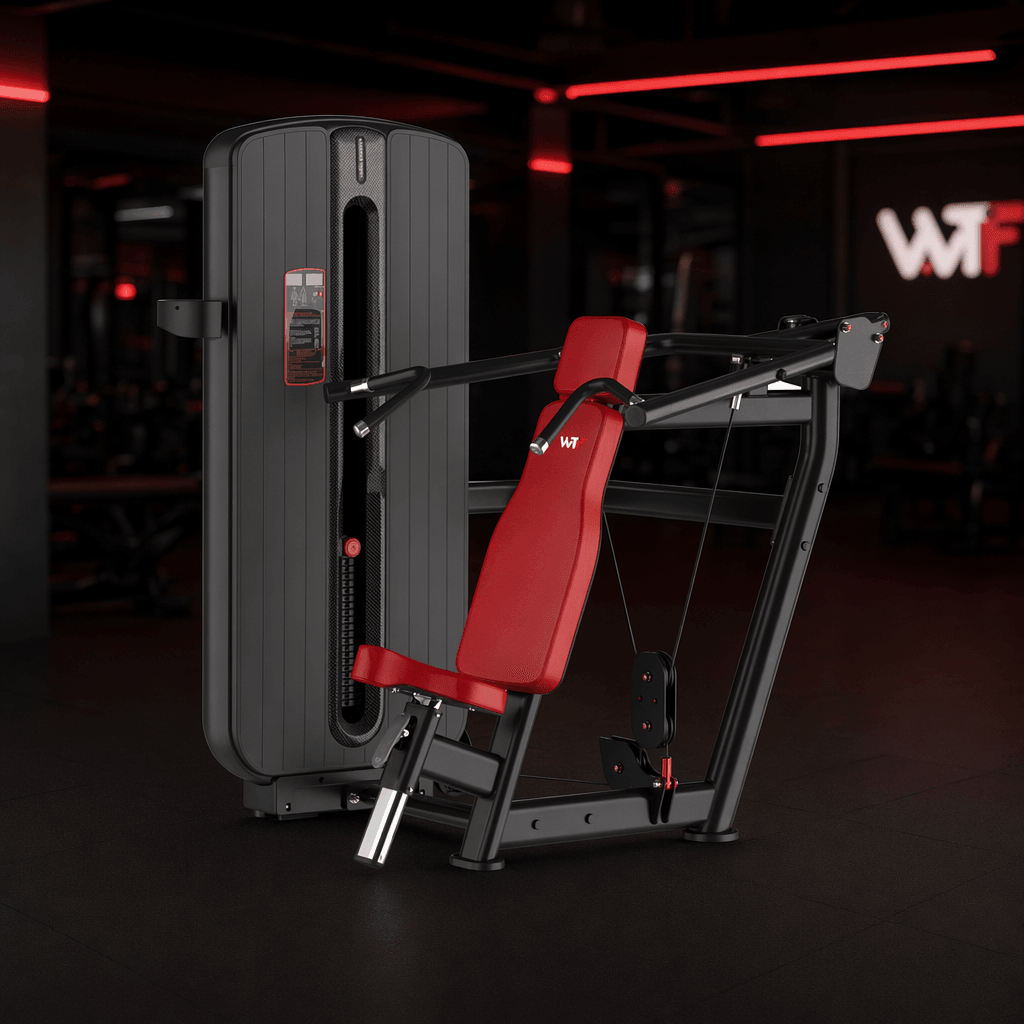 Shoulder PressCore · C-RatedGuided overhead pressing
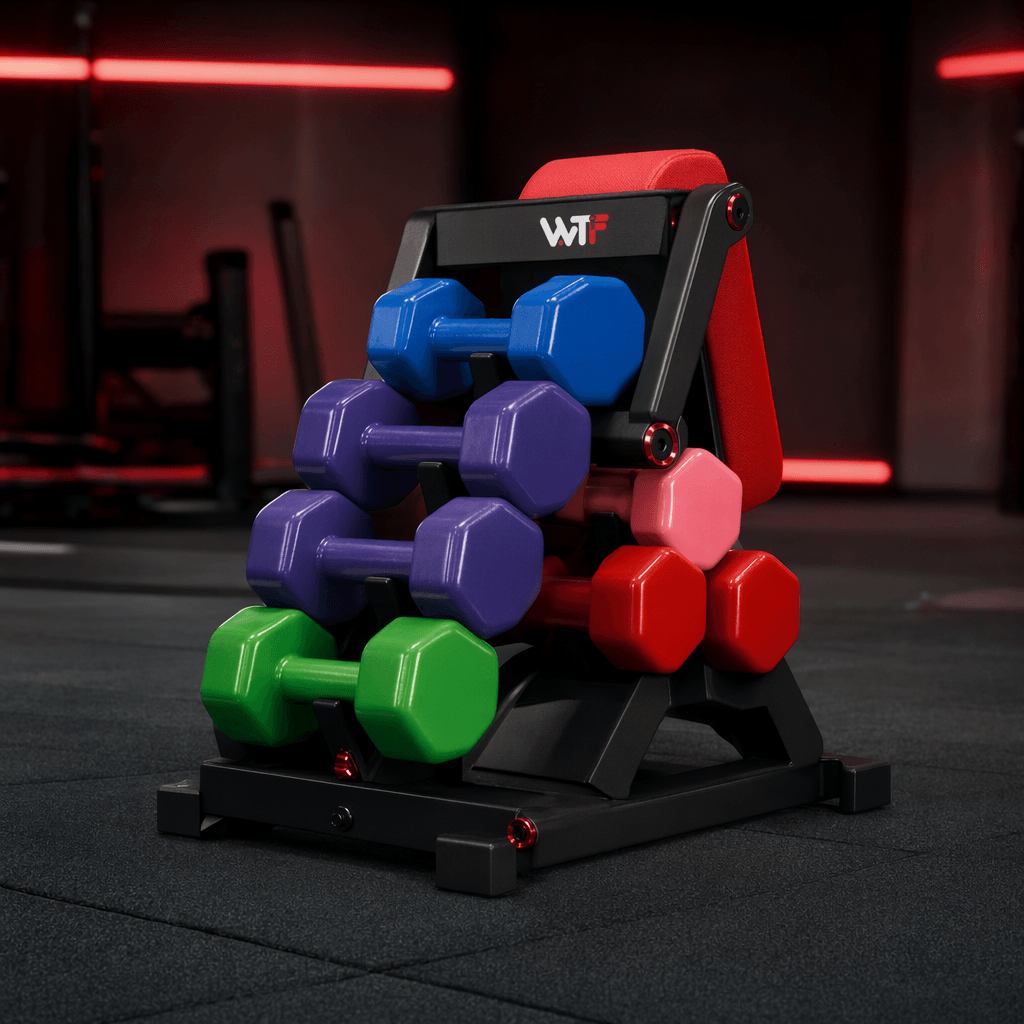 Vinyl DumbbellsPro · P-RatedLight home dumbbell starts
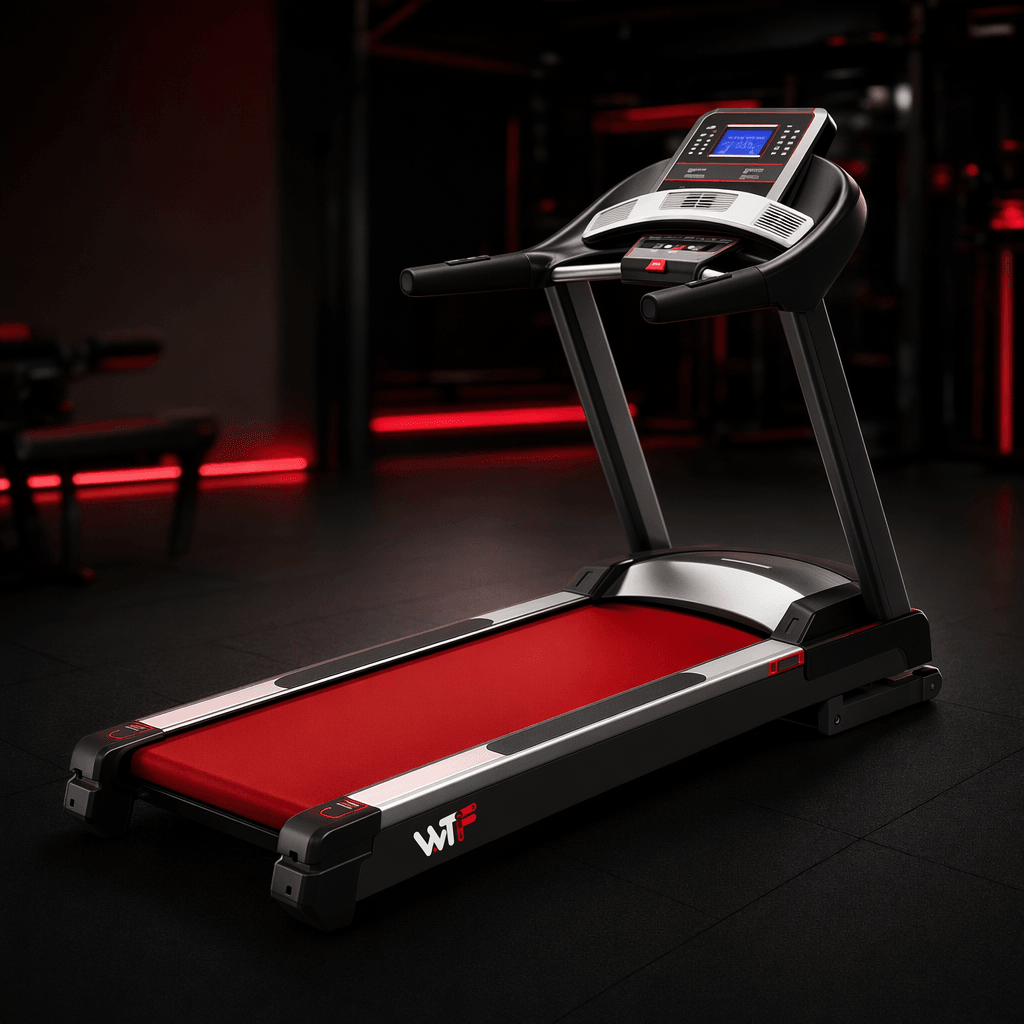 Motorized TreadmillCore · C-RatedWalking and incline cardio
If you are planning rent, staff, fit-out and business structure, use the sister site for that topic; this page stays focused on equipment selection.