An exercise cycle for weight loss can work well if it helps you train consistently and manage food intake. It will not directly melt belly fat, but it can support overall fat loss through regular low-impact cardio. For Indian homes and gyms, the key is choosing a bike type you will actually use: upright for steady riding, spin for hard intervals, recumbent for comfort, and air bikes for short intense efforts.
What an Exercise Cycle Can and Cannot Do
Seedhi baat: exercise cycle weight loss comes from a repeatable calorie deficit, not from one machine magically targeting fat. Cycling helps because it is low-impact, easy to start at home, and simple to progress by increasing resistance, cadence, ride duration, or interval difficulty. Food intake still decides whether body weight changes.
The belly-fat question needs honesty. An exercise cycle to reduce belly fat is useful only as part of overall fat loss; it cannot choose where your body reduces fat first. So if someone asks whether a spin bike can reduce belly fat, the practical answer is: it can help you spend energy, but spot reduction is not how the body works.
For serious home buyers, consistency usually matters more than picking the harshest machine. For gym owners, the bigger issue is whether members of different fitness levels can use the bike daily without confusion or discomfort. WTF runs 260+ gyms, so this guide takes an operator-style view: choose equipment that people can repeat, adjust, clean around, and progress on.
Treadmill vs Exercise Bike for Weight Loss
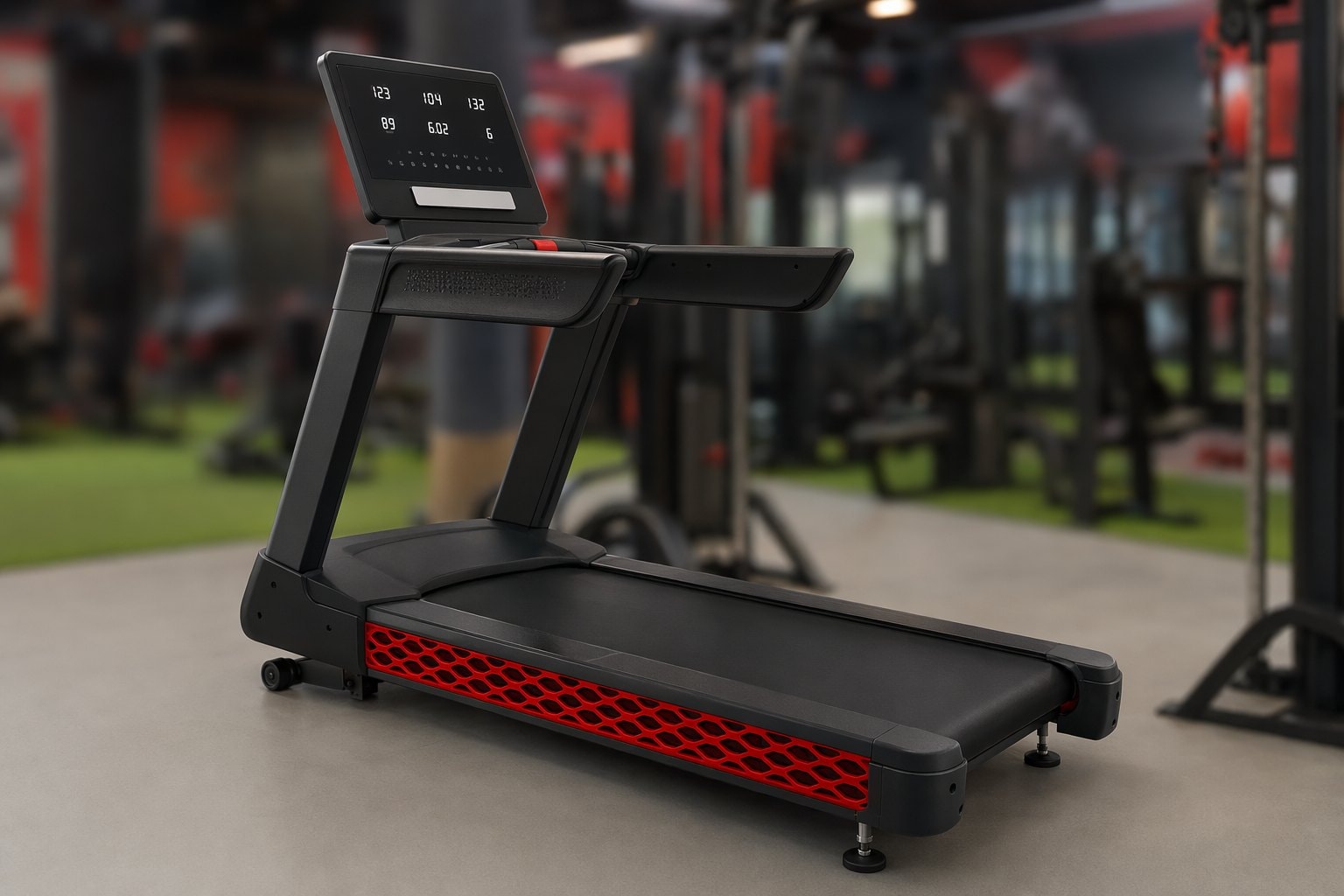
The treadmill vs exercise bike for weight loss debate is less about one machine winning and more about adherence. A treadmill gives walking, jogging, and running patterns that many users understand immediately. A bike reduces impact on the joints and often feels easier to continue while watching a screen, listening to coaching, or fitting in home sessions.
For treadmill vs cycling calories, the honest comparison depends on body weight, speed, incline, resistance, cadence, and how long the user can sustain the effort. A hard spin session can feel brutal; a long incline walk can also be demanding. If impact or knee comfort stops someone from using a treadmill regularly, the bike may be the more practical weight-loss tool.
If you are comparing treadmill or exercise bike for belly fat, use the same rule: there is no belly-only machine. Choose the option you can repeat while managing diet. For a deeper equipment comparison, read WTF’s treadmill-versus-bike buying guide before finalising your cardio mix.
| Question | Exercise cycle | Treadmill |
|---|---|---|
| Joint impact | Lower impact, seated or supported | Higher impact when running |
| Beginner comfort | Easy to pace with resistance | Walking is intuitive |
| Belly fat goal | Supports overall fat loss | Supports overall fat loss |
| Home use | Compact feel in many rooms | Needs clear walking area |
| Hard intervals | Spin and air bikes suit this | Possible, but impact is higher |
Choose the Bike Type That Matches Your Behaviour
There is no single cycle type for every weight-loss buyer. The right pick depends on posture, training style, available space, and how much intensity you can repeat without quitting. Use the bike type as a behaviour match, not just a catalogue label.
Upright bikes for steady home cardio
An upright bike suits users who want familiar pedalling with a compact feel. The Upright Magnetic Exercise Bike 550M has manual training intensity with 8 levels, a 130 KGs maximum user-weight rating, and display features including time, speed, distance, calories, pulse recovery, body fat, and temperature. The Upright Exercise Bike MB5 has a self-generated motor system, 16-grade resistance, and a 160 KGs maximum user-weight rating.
Spin bikes for harder sessions
Spin bike weight loss appeals to riders who like intervals, standing climbs, and a road-bike style feel. The Commercial Spin Bike 5917 lists a 25Kgs fly wheel, Poly - V Belt driven system, aluminium alloy posts and sliders, and a 180Kgs maximum user-weight rating. The Commercial Spin Bike S200 lists a 25Kgs Magnetic fly wheel, belt driven system, and a 180Kgs maximum user-weight rating.
A spin bike for belly fat is not a belly-fat shortcut. It is useful because it can make hard cardio practical indoors. If you enjoy short hard blocks mixed with easier pedalling, a spin bike may help you stay consistent; if aggressive posture irritates your back, a recumbent may keep you training more regularly.
Recumbent and air bikes for comfort or intensity
A recumbent bike supports a more laid-back seated posture. The Recumbent Magnetic Exercise Bike R350 lists an 8 Level Magnetic Manual Tension Control system, a 5Kgs fly wheel, a 130Kgs maximum user-weight rating, and display readings including speed, time, distance, calories, and pulse. The Recumbent Exercise Bike R4 lists a self-generated motor system, 16-grade resistance, and a 160 KGs maximum user-weight rating.
Air-style bikes suit short, hard efforts using arms and legs together. The Air Bike AIR-BIKE lists an LED display. The Assault Bike ASSAULT-BIKE lists a Belt + chain driven system, LCD monitor displaying all workout data, and a 180 KGs maximum user-weight rating. The Fan Bike FAN-BIKE also lists Belt + chain drive, monitor workout data, and a 160 KG maximum user-weight rating.
Buying Checks That Matter for Daily Use
For weight-loss use, durability is not only about frame strength. It is about whether the bike stays stable when tired users pedal hard, whether controls are easy to understand, and whether multiple users can adjust the position without wasting time. In a home, this improves consistency. In a gym, it reduces friction in busy cardio zones.
- Check maximum user-weight rating with headroom. Do not choose a machine rated exactly at the user’s body weight; keep a comfortable margin.
- Match posture to the user. Upright is simple, spin is aggressive, recumbent is more supported, and air bikes are demanding.
- Prefer displays that show the metrics your users follow, such as time, distance, speed, calories, resistance level, RPM, or pulse where the model lists them.
- For spin bikes, compare flywheel, drive system, adjustability, and maximum user-weight rating from the model specs.
- For shared spaces, think about cleaning access, movement around the bike, and whether beginners can start without coaching.
WTF classifies these listed cardio bikes under Core duty. Core — full-commercial duty: cardio, selectorized, plate-loaded and functional lines rated for 16hr+/day floors, 7 days a week; 3mm steel main frames; continuous-duty AC motors on cardio (up to 5HP continuous). That duty tier is especially relevant for gym owners and home buyers who expect frequent use.
Spin Bike, Upright, Recumbent or Air Bike?
| Bike type | Good fit | Catalogue examples |
|---|---|---|
| Upright | Steady cardio, simple home riding | 550M, MB5 |
| Spin | Intervals, higher-effort rides | 5917, S200, S250, S3 |
| Recumbent | Supported seated posture | R350, R4 |
| Air / fan | Short hard whole-body sessions | AIR-BIKE, ASSAULT-BIKE, FAN-BIKE |
The Magnetic Spin Bike S250 lists a 15Kgs Magnetic fly wheel, belt driven system, 150Kgs maximum user-weight rating, display readings for scan, time, speed, distance, calories and pulse, plus app compatibility with FitShow, Zwift and Kinomap. The S250 is worth considering when connected riding cues help the user stay engaged.
If your shortlist is broader than bikes, compare the full cardio equipment category. For home-only decisions, the gym cycle for home guide can help you think through room placement, user comfort, and what type of pedalling style you are likely to repeat.
Exercise Cycle Price Bands to Use as a Filter
Use price as a filter after you know the type of bike you need. The list-price bands in WTF’s price guides are ₹11,000–₹54,500 MRP for commercial exercise bikes and ₹38,500–₹74,000 MRP for commercial spin bikes. These are MRP bands from our price guide, not per-product prices.
A lower MRP band may still be the right choice if the user wants simple steady cardio and the rating fits with headroom. A higher spin-bike band may make sense when adjustability, flywheel feel, and hard-ride stability matter more. Do not buy solely on the displayed calorie reading; displays are useful for tracking effort session to session, but diet and consistency still drive weight change.
How to Use a Cycle for Weight Loss Safely
Start with rides that feel repeatable, then build gradually. A sensible week can include easier steady rides, a few harder intervals if recovery is good, and rest as needed. If you are new, very heavy, returning after a long gap, pregnant, or managing a medical condition, speak with a doctor before pushing intensity.
For spin bike weight loss, keep technique clean: adjust the saddle so pedalling feels smooth, avoid bouncing at high cadence, and increase resistance before standing climbs feel unstable. For recumbent bikes, keep the back supported and use resistance changes to progress without forcing posture. For air bikes, treat hard efforts with respect because arms and legs together can spike effort quickly.
If the goal is exercise cycle to reduce belly fat, combine rides with strength training, protein-aware meals, sleep, and a food plan you can follow. The bike is the tool; the routine is the real system.
Next Steps With WTF
If you are buying for a home, apartment gym, studio, or commercial floor, shortlist by user weight headroom, posture, resistance style, and expected daily usage. WTF delivers and installs, provides a full GST invoice, and can share an itemised quote within 24 hours.
Buyers who want to see machines in person can visit the WTF showroom at D-27, Sector 112, Noida, UP 201305; use the Noida store map and directions before travelling. Keep your final choice simple: the right exercise cycle for weight loss is the one that fits the user, the room, and the weekly routine.