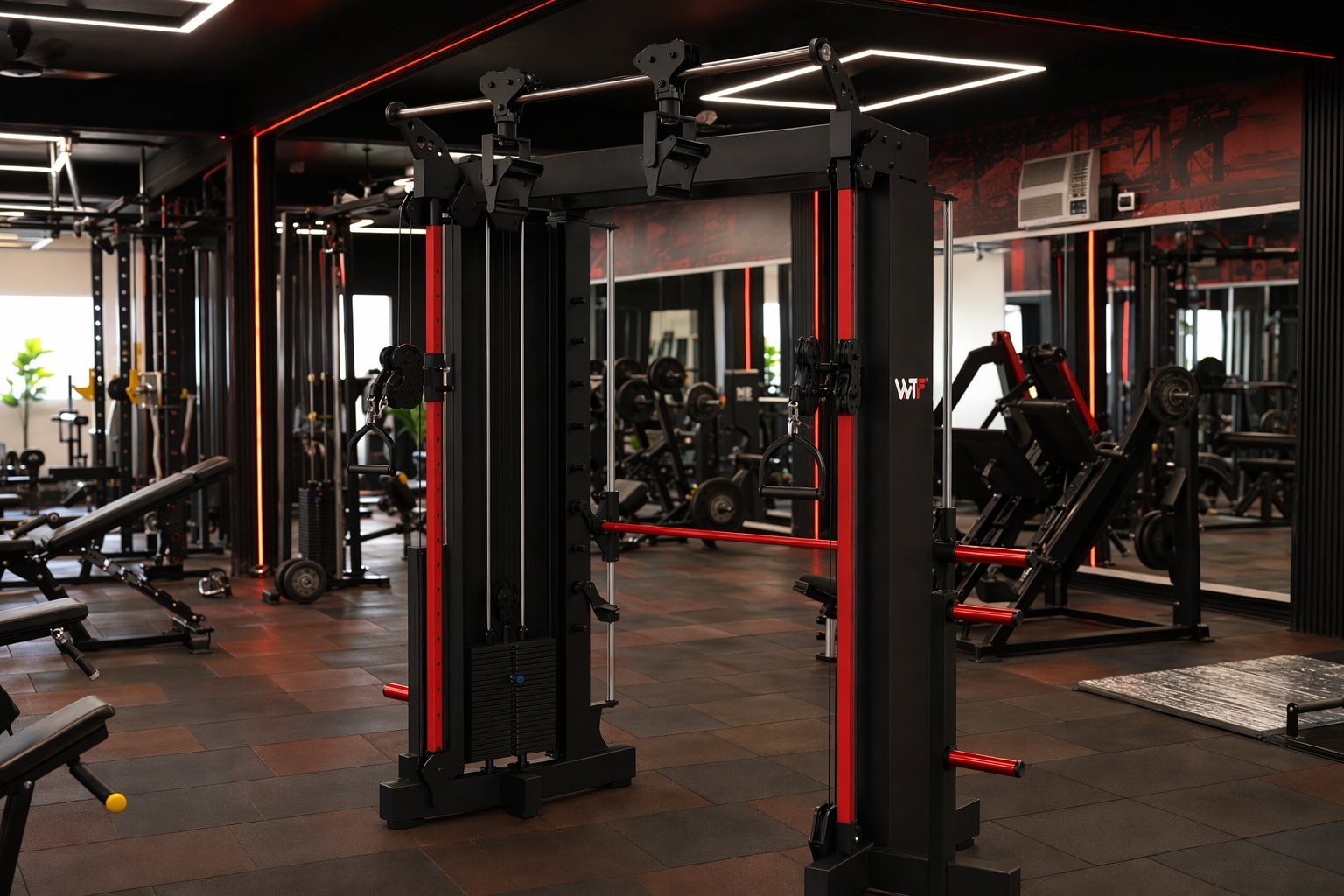
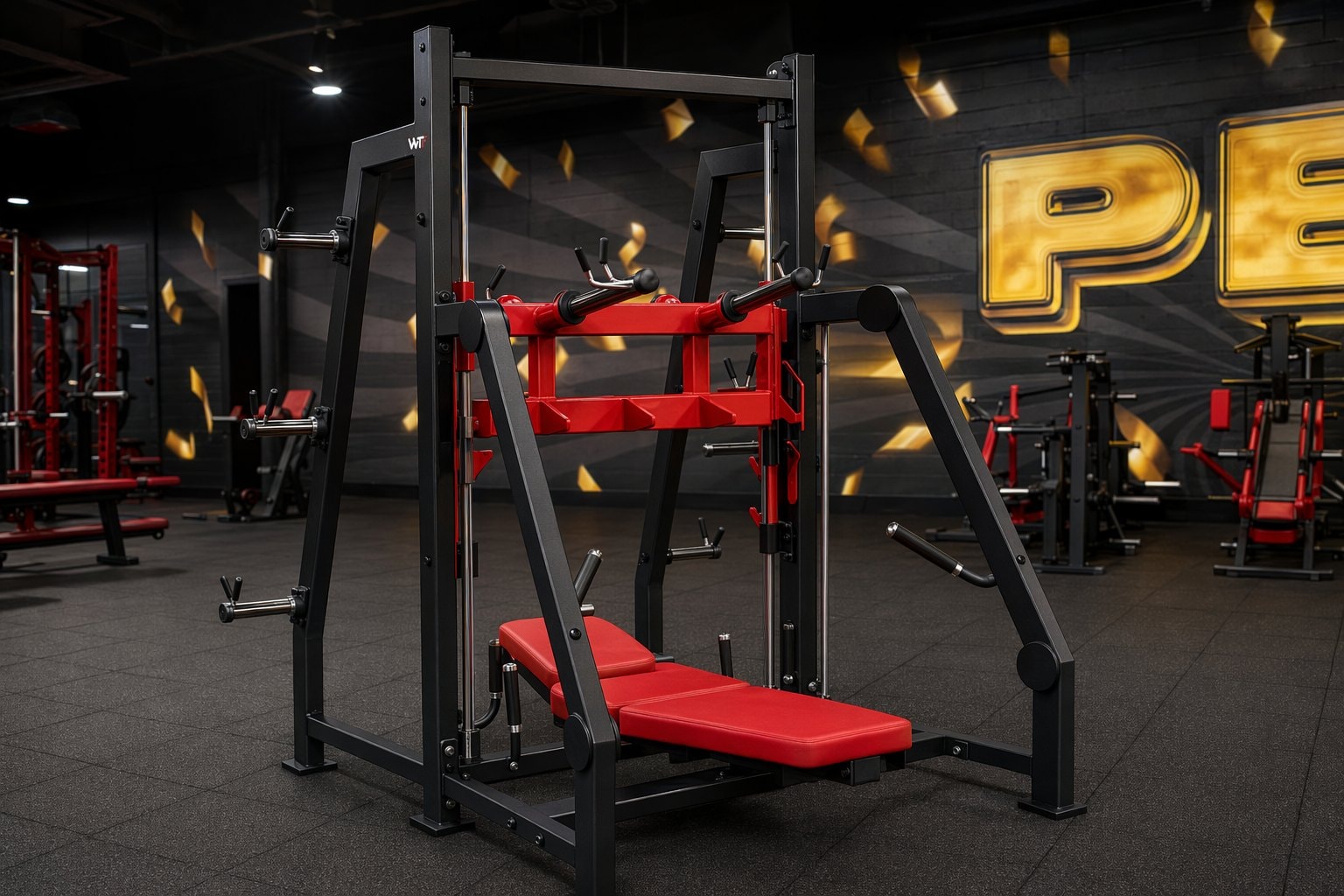
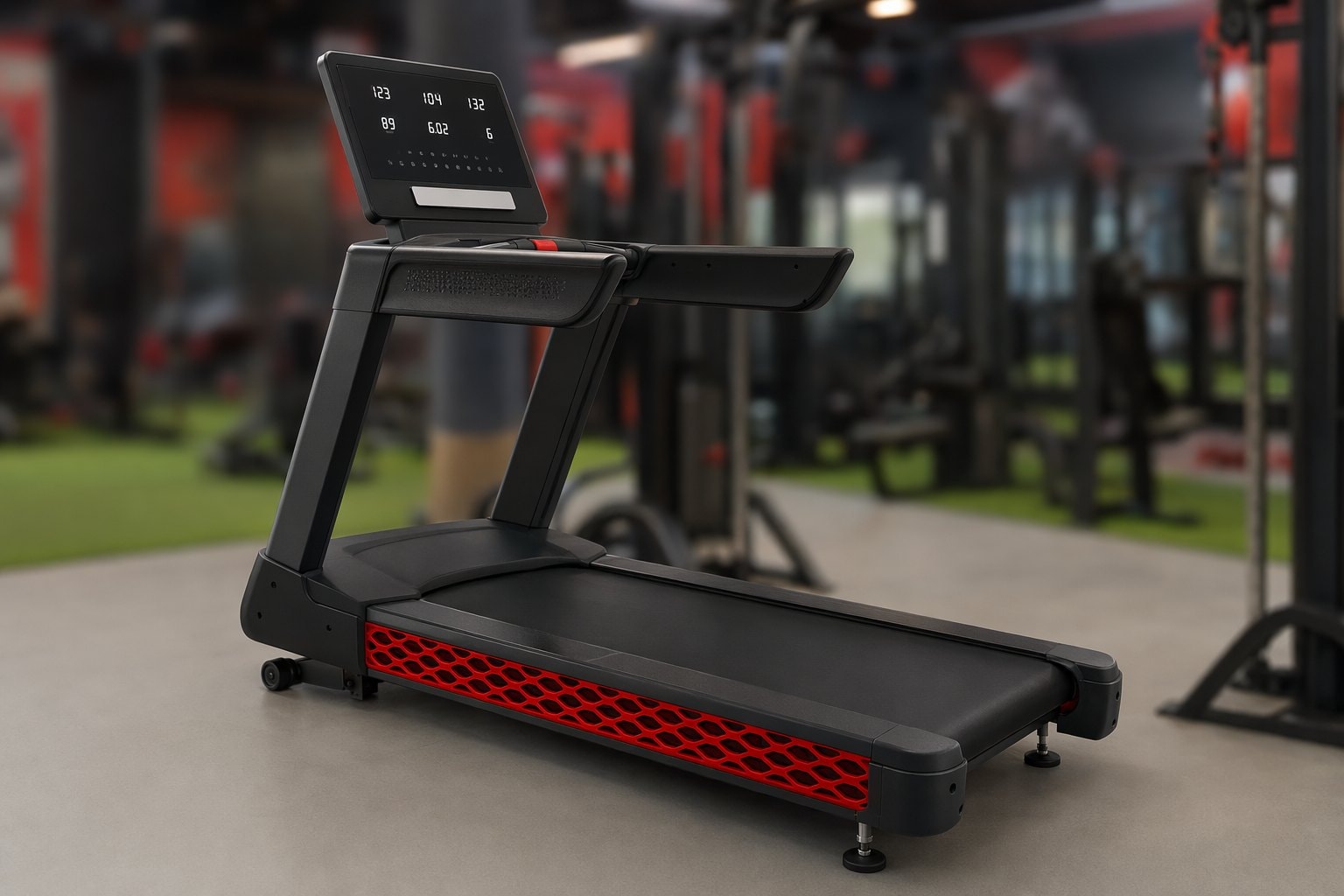
A gym equipment buying checklist should start with your floor, users, duty rating and quote details before you choose machines. For Indian gym owners and serious home buyers, use this checklist to compare duty tier, written specs, user-weight headroom, delivery and installation scope, GST paperwork and an itemised quote line by line. This guide keeps the process practical: what to ask, what to reject and where WTF's range fits.
Start with the floor, users and training mix
Before you ask any supplier for a quote, define what the space must actually do. A crowded equipment list without a floor logic creates bottlenecks, unused stations and awkward circulation. Seedhi baat: the right checklist begins with zones, not machines.
- Floor type: commercial gym, PT studio, apartment clubhouse, hotel gym or serious home setup.
- User mix: beginners, strength-focused lifters, mixed general fitness users or athletes.
- Peak use: which zones will be busy at the same time, especially cardio, dumbbells and selectorized strength.
- Training style: guided circuits, free-weight training, plate-loaded strength, functional training or a balanced mix.
- Access path: staircases, lift size, door width, turning space and whether heavy pieces can reach the floor safely.
- Site readiness: flooring, power points, ventilation, mirror/wall placement and enough clearance around moving parts.
If you are planning the full business side, keep equipment decisions separate from rent, fit-out and staffing; those wider costs belong in a total cost to open a gym plan. Here, stay focused on the equipment list, specification sheet and purchase terms.
Assign a duty tier to every zone
WTF runs 260+ gyms, so the equipment conversation is built around duty rating first. A treadmill area, dumbbell zone and premium strength zone do not face the same loading pattern. Use the Core, Pro and Signature duty guide before comparing names that look similar on paper.
| Zone | Tier to consider | What to confirm |
|---|---|---|
| Cardio and selectorized strength | Core | Match the listed duty tier to expected daily use and written specifications. |
| Free-weight zone | Pro | Check racks, benches, dumbbells, bars and plates as separate high-handling items. |
| Premium strength zones | Signature | Confirm the frame, footprint and movement pattern before comparing by price. |
Use this tiering to prevent overbuying in quiet areas and underbuying in the busiest zones. For example, a cardio line should not be evaluated like a bench, and a plate-loaded showcase piece should not be compared only by footprint.
Spec sheet checks you should demand
A proper buying checklist needs written specification rows, not only catalogue photos. Ask for the model name, duty tier, dimensions where available, frame description, motor rating for cardio, running area, user-weight rating, stack weight for selectorized machines and country-of-make where stated.
For cardio, separate peak motor language from continuous-duty language. The Motorized Treadmill model 22 lists an AC motor rated at 4 HP continuous and 8 HP peak, a speed range of 1–24 km/h, a 58 × 150 cm running area, 0–20% auto incline, a 200 kg maximum user weight, a heavy-duty deck and 80 preset programs. For heavier users, keep headroom between body weight and the stated maximum; do not choose a treadmill rated exactly at the user’s weight.
For selectorized strength, check dimensions and stack weight. The Chest Press model AMDM-01 lists dimensions of 1,390 × 1,300 × 1,530 mm and a 100 kg weight stack. The Leg Press model AMDM-015 lists dimensions of 1,985 × 1,035 × 1,530 mm and a 100 kg weight stack. These numbers help you plan spacing and user flow before the order is placed.
For free-weight zones, do not treat racks, benches and dumbbells as small add-ons. They take repeated handling, so choose Pro-tier items. The Smith + Power Rack model AS029 lists a heavy-duty frame, while the Adjustable Dumbbells list commercial-grade materials. Keep free weights near appropriate flooring and clear lifting space.
For plate-loaded pieces, confirm whether the frame and movement match your programming. The Vertical Leg Press model A616 is a Signature-duty plate-loaded machine with a heavy-duty frame and Made In India listed. A machine like this belongs in a zone where members understand plate loading and staff can guide setup.
Compare quotes line by line, not by headline
Category price guides help you understand budget bands, but the purchase decision should be based on an itemised quote. WTF provides an itemised quote within 24 hours, and buyers should insist that every supplier presents machine names, model references, quantities and commercial terms clearly.
Use the itemised quote request to avoid vague bundle names. WTF's commercial terms are published in the terms of business. Paisa vasool does not mean the lower headline; it means the equipment, duty level, installation scope and paperwork are actually comparable.
If you are deciding whether to buy through an operator-led supplier or a dealer, use the operator vs dealer guide as a separate decision aid. Then come back to the same quote checklist so the final comparison stays practical.
| Quote line | What to confirm |
|---|---|
| Model name | Exact model listed; do not compare unnamed substitutes. |
| Duty tier | Core, Pro or Signature stated clearly and matched to zone load. |
| Specs | Motor, stack, dimensions or frame details written where applicable. |
| Delivery and installation | Scope written, including site responsibilities. |
| GST invoice | Full GST invoice confirmed for the ordered equipment. |
| After-sales contacts | Named contact route stated before payment. |
Check delivery, installation and site readiness
WTF delivers and installs, but the buyer’s site must be ready. Before dispatch, confirm access, flooring, power and final placement. If the floor is not ready, even good equipment can be delayed at the wrong point in the project.
- Site access: confirm lift, staircase, entry gate, passage width and unloading point.
- Flooring: rubber or gym flooring should be laid where heavy strength pieces and free weights will sit.
- Power: cardio power points should be planned before machines arrive; avoid loose extensions in training areas.
- Placement: mark machine footprints and movement clearance before installation.
- Responsibility split: write who handles unloading access, floor protection, electrical readiness and final positioning.
- Paperwork: insist on a full GST invoice for the ordered equipment.
You can also visit the WTF showroom at D-27, Sector 112, Noida, UP 201305, where buyers can see the equipment range in person. Use the Noida showroom page to plan a visit, then bring your floor plan and shortlist rather than browsing without a buying structure.
Use package budgets as a sanity check
For project-level planning, WTF lists package budgets that help you align selection with floor size. These are package budgets from the five gym package options, not per-product prices. Use them as planning anchors, then request an itemised quote for the actual model mix.
| Package | Budget | Floor size |
|---|---|---|
| Launch | ₹15 lakh | 1,200–1,500 sq ft |
| Startup | ₹20 lakh | 2,000–3,000 sq ft |
| Pro | ₹25 lakh | 3,000–3,500 sq ft |
| Pro Plus | ₹30 lakh | 3,500–4,500 sq ft |
| Flagship | ₹40 lakh | 6,000+ sq ft |
If your quote sits far away from the package logic, ask why. It may be due to more cardio, more plate-loaded pieces, a heavier dumbbell section or a different brand mix. The answer should be written in the equipment list, not left to assumption.
Final questions before you approve the order
Once the machines, duty tiers and commercial scope are clear, use a final supplier checklist. This is where many buyers catch gaps that were hidden in a short WhatsApp quote or an image-only proposal.
- Is every equipment line named with model, quantity and duty tier?
- Are cardio motor details written as peak and continuous where applicable?
- Are strength-machine dimensions and stack weights listed where WTF's catalogue includes them?
- Is delivery and installation scope written, including what the buyer must prepare?
- Will the supplier issue a full GST invoice?
- Are after-sales contact routes and escalation contacts stated clearly?
- Are any substitutions listed in writing before approval?
- Have you seen the equipment range in person where possible?
A good supplier should be comfortable with written specifications, clear paperwork and transparent comparison. Avoid deciding only on photos, verbal claims or a single total. When the checklist is complete, you can buy gym equipment with fewer surprises and a cleaner installation plan.